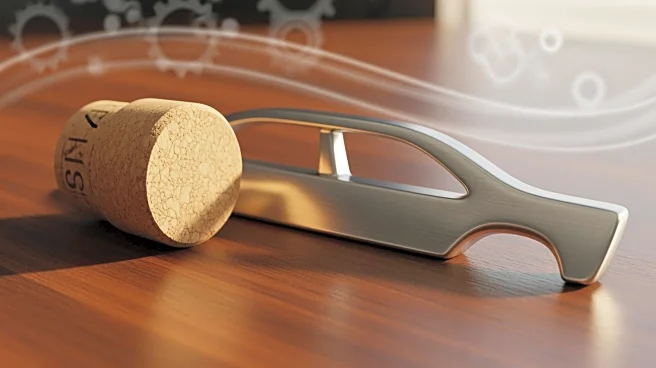


Mazda Motor Corporation, a name synonymous with innovative automotive engineering, has a rich history that dates back to its humble beginnings as a cork manufacturer. Founded in 1920 in Hiroshima, Japan, Mazda has transformed over the decades into a global automotive powerhouse. This article delves into the fascinating journey of Mazda, highlighting key milestones and developments that have shaped its path from cork to cars.
Early Beginnings and Transition to Automotive Manufacturing
Mazda's story began in
1920 when Jujiro Matsuda established Toyo Cork Kogyo Co., Ltd., a cork-making factory. The company initially focused on producing cork products, but by 1927, it had shifted its focus to manufacturing machine tools. This transition marked the beginning of Mazda's journey into the automotive industry. In 1931, Toyo Kogyo introduced its first vehicle, the Mazda-Go auto rickshaw, signaling its entry into the automotive market.
The name Mazda was chosen to represent the company's new direction, inspired by Ahura Mazda, the god of harmony, intelligence, and wisdom in Zoroastrianism. This name also paid homage to the company's founder, Matsuda. The Mazda-Go was a three-wheeled truck, and its introduction marked the company's commitment to vehicle manufacturing, setting the stage for future innovations.
Embracing the Wankel Rotary Engine
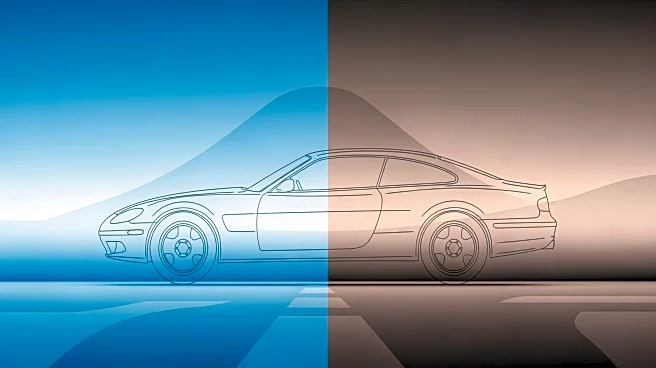
Mazda's pursuit of innovation led to its adoption of the Wankel rotary engine in the 1960s. Inspired by the NSU Ro 80, Mazda invested heavily in developing this unique engine technology. The rotary engine became a defining feature of Mazda vehicles, offering a combination of power and lightweight design that set them apart from competitors. The introduction of the Cosmo Sport in 1967 marked Mazda's first foray into rotary-powered vehicles.
Mazda's dedication to the rotary engine paid off, as it quickly gained popularity worldwide. The RX series, including models like the RX-2, RX-3, and RX-4, showcased the engine's capabilities and helped Mazda establish a strong presence in international markets. Despite challenges during the 1973 oil crisis, Mazda continued to refine its rotary engine technology, culminating in the success of the RX-7 and RX-8 models.
Strategic Partnerships and Global Expansion
Mazda's growth was further bolstered by strategic partnerships, most notably with Ford Motor Company. Beginning in 1974, Ford acquired a significant stake in Mazda, leading to collaborative projects and shared technologies. This partnership allowed Mazda to expand its reach and enhance its product offerings, contributing to its global success.
Throughout the years, Mazda has maintained its commitment to innovation, evident in its development of the SkyActiv platform and Kodo Design language. These advancements have solidified Mazda's reputation as a leader in automotive engineering, ensuring its continued success in the competitive global market.