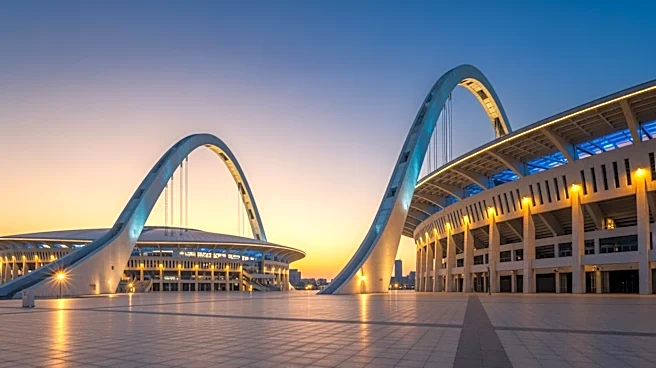

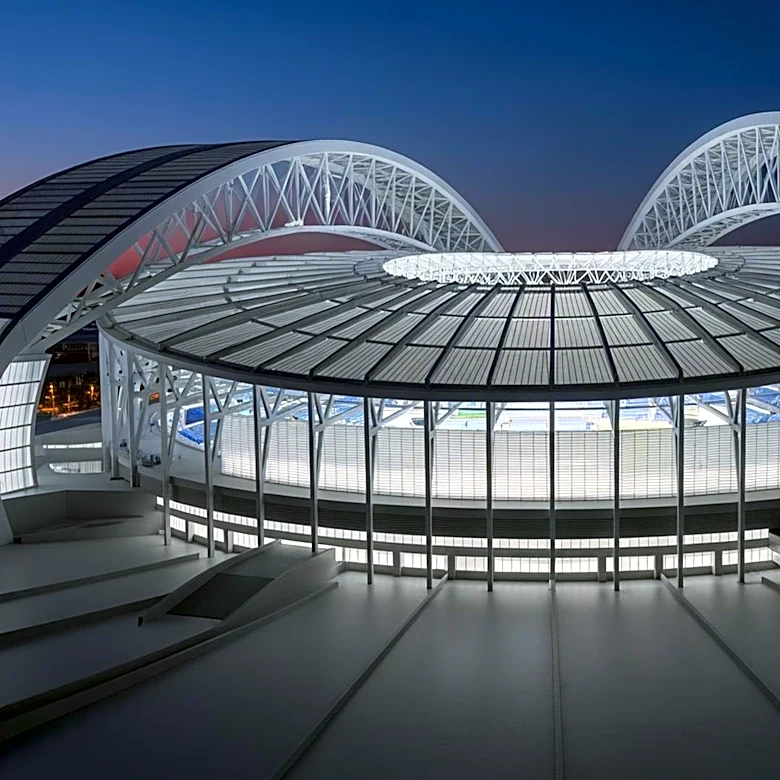






Mineirão Stadium, officially known as Estádio Governador Magalhães Pinto, has been a cornerstone of Brazilian football since its opening in 1965. Located in Belo Horizonte, this stadium has witnessed numerous historical events and milestones that have shaped its legacy. From its conception in the 1940s to its role in hosting major international tournaments, Mineirão's journey is a fascinating tale of ambition and achievement.
Early Beginnings
The idea for Mineirão
Stadium began in the 1940s, driven by a modest movement involving managers, entrepreneurs, athletes, and journalists. The goal was to build a stadium in Belo Horizonte that matched the evolution of Minas Gerais' football. At the time, the top three teams in the state capital had cramped and uncomfortable stadiums that could not support the growing demand of fans.
In the late 1940s, journalist Canor Simões Coelho succeeded in including Belo Horizonte as one of the venues for the 1950 FIFA World Cup. This decision required the construction of a stadium suitable for the event. Although the Independência Stadium was completed in time for the World Cup, it soon became apparent that a larger venue was needed to accommodate the increasing number of fans.
Construction and Inauguration
The construction of Mineirão began in 1959, with Gil Cesar Moreira de Abreu as the construction manager. Despite facing repeated financial crises, the project moved forward through political negotiation and tight spending controls. The stadium was designed by Eduardo Mendes Guimarães Júnior and Caspar Garreto, with the structural design prepared by engineer Arthur Eugênio Jermann.
Mineirão was inaugurated on September 5, 1965, with opening festivities that included parachute jumpers, music, and an inaugural football match attended by 73,201 people. The first match was played between the Minas Gerais state team and the Argentine club River Plate, marking the beginning of Mineirão's storied history.
Hosting Major Events
Since its opening, Mineirão has hosted numerous significant events, including matches of the Brazil national team in every FIFA World Cup qualification. It served as a venue for the 2013 FIFA Confederations Cup, the 2014 FIFA World Cup, and the football tournament of the 2016 Summer Olympics. The stadium's record attendance was 132,834 people in 1997 during the Campeonato Mineiro final match between Cruzeiro and Villa Nova.
Mineirão's historical journey is marked by its ability to adapt and evolve, maintaining its status as a premier sports venue in Brazil. Its legacy continues to grow, as it remains a symbol of Brazilian football and a cherished landmark in Belo Horizonte.