






The sympathetic nervous system (SNS) is a crucial component of the autonomic nervous system, responsible for preparing the body to respond to stress. Known for its role in the fight-or-flight response, the SNS activates various physiological changes that enable an organism to react swiftly to threats. This article delves into the mechanisms and effects of the sympathetic nervous system during stress.
The Fight-or-Flight Response
The fight-or-flight response is a well-known reaction
to stress, mediated by the sympathetic nervous system. When faced with a threat, the SNS triggers a series of changes in the body to prepare for action. Heart rate and blood pressure increase, blood vessels constrict, and adrenaline is released from the adrenal medulla. These changes enhance the body's ability to either confront the threat or escape from it.
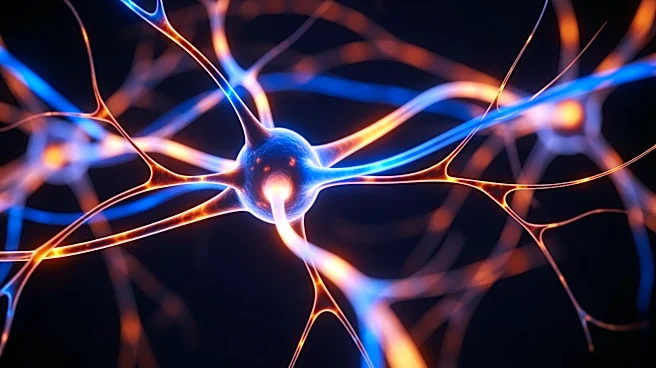
The SNS achieves these effects through a network of neurons that extend throughout the body. Preganglionic neurons release acetylcholine, which activates postganglionic neurons to release norepinephrine. This neurotransmitter binds to adrenergic receptors on target tissues, causing the physiological changes associated with the fight-or-flight response.
Physiological Effects of SNS Activation
The activation of the sympathetic nervous system results in a range of physiological effects. Blood vessels constrict, redirecting blood flow to essential organs and muscles needed for immediate action. The heart beats faster and stronger, increasing cardiac output to supply oxygen and nutrients to tissues. Pupils dilate to improve vision, and bronchial passages widen to enhance breathing.
Interestingly, not all blood vessels constrict during SNS activation. In the heart and brain, certain adrenergic receptors cause blood vessels to dilate, ensuring these vital organs receive adequate blood supply even during stress. This selective vasodilation is crucial for maintaining function in critical areas while the body prepares for action.
Long-Term Implications of SNS Activity
While the sympathetic nervous system is essential for immediate survival, chronic activation can have negative health effects. Prolonged SNS activity is linked to disorders such as hypertension, heart failure, and anxiety. The constant state of readiness can strain the cardiovascular system and lead to metabolic imbalances.
Understanding the role of the sympathetic nervous system in stress responses highlights its importance in health and disease. While it is vital for survival, managing its activity is crucial for preventing long-term health issues. Research continues to explore ways to balance SNS activity to maintain health and well-being.