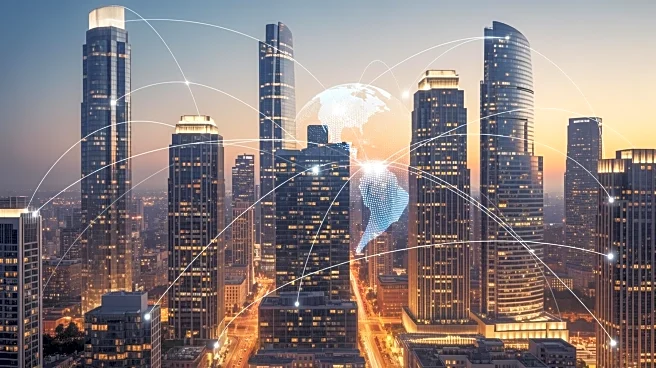




Cities are more than just places where people live and work; they are vital nodes in the global economic network. This article delves into the role cities play in globalization, highlighting their influence on international trade, finance, and cultural exchange.
Cities as Economic Hubs
Cities have long been centers of economic activity, serving as hubs for trade and commerce. In the modern era, cities like New York, London, and Tokyo have become pivotal in the global economy,
hosting major financial institutions and multinational corporations. These cities facilitate the flow of capital and goods across borders, driving economic growth and development.
The concentration of businesses and industries in cities creates a dynamic environment for innovation and entrepreneurship. Urban areas offer access to resources, talent, and infrastructure, making them attractive locations for startups and established companies alike. This economic vibrancy contributes to the global competitiveness of cities.
Cultural Exchange and Global Influence
Beyond their economic impact, cities are also centers of cultural exchange. They attract people from diverse backgrounds, fostering a melting pot of ideas and traditions. Cities like Paris and Hong Kong are renowned for their cultural offerings, from art and fashion to cuisine and entertainment.
The cultural influence of cities extends globally, shaping trends and norms in other parts of the world. Through media, tourism, and international events, cities project their cultural identity, contributing to the global cultural landscape. This exchange enriches societies and promotes understanding across cultures.
Challenges and Opportunities
While cities play a crucial role in globalization, they also face challenges related to sustainability and resource management. The rapid pace of urbanization can strain infrastructure and lead to environmental concerns. Cities must balance economic growth with efforts to reduce their ecological footprint and improve the quality of life for residents.
Opportunities for cities in the global economy are vast, with advancements in technology offering new avenues for growth. Smart city initiatives and digital infrastructure can enhance efficiency and connectivity, positioning cities as leaders in innovation. As globalization continues to evolve, cities will remain at the forefront, driving economic and cultural progress.
Cities are integral to the global economic network, influencing trade, finance, and culture. Their role in globalization underscores the importance of urban areas in shaping the future of our interconnected world. As cities navigate challenges and seize opportunities, they will continue to be key players in the global landscape.