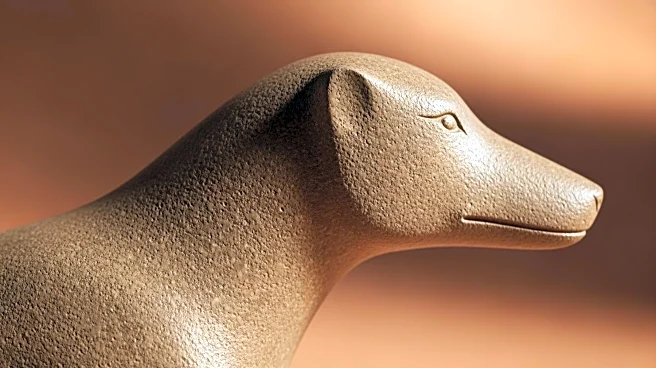

The African hairless dog, often referred to as the Abyssinian sand terrier, is a breed that once roamed the African continent. Known for its distinctive hairless appearance, this breed has left a lasting
impression on those who encountered it. Although it is now considered extinct, the African hairless dog continues to intrigue historians and dog enthusiasts. This article explores the cultural and historical significance of this unique breed.
Cultural Significance and Adaptations
The African hairless dog was more than just a companion animal; it played a significant role in the lives of the people who lived alongside it. The breed's hairlessness was not merely a physical trait but an adaptation to the hot African climate. This feature allowed the dogs to stay cool in high temperatures, making them well-suited to the environment.
The breed's presence across various regions of Africa is reflected in its many names, including the Abyssinian sand dog, Egyptian hairless dog, and Zulu sand dog. These names suggest that the breed was widely recognized and valued for its unique characteristics. The African hairless dog was often described as fast-moving with a short, sharp bark, and it was said to be either sandy-colored or blue-black.
Historical Encounters and Exhibitions
European explorers and settlers in Africa documented their encounters with the African hairless dog, noting its distinctive appearance and behavior. In 1833, three examples of the breed were brought to Britain and displayed at the London Zoo as Egyptian Hairless Dogs. This exhibition sparked interest and curiosity among the public, highlighting the breed's exotic appeal.
A specimen dating from 1903 is preserved at the Natural History Museum at Tring in Hertfordshire, England, serving as a testament to the breed's historical presence. These exhibitions and preserved specimens provide valuable insights into the breed's characteristics and significance during its time.
The Legacy of Extinction
Despite its once widespread presence, the African hairless dog is now considered extinct. No thorough search has been conducted across Africa to confirm their extinction, but the breed is generally accepted as no longer existing. The loss of the African hairless dog serves as a reminder of the importance of preserving and documenting dog breeds to maintain genetic diversity and cultural heritage.
The African hairless dog's story is a testament to the rich history of canine breeds and their impact on human societies. As we continue to explore the past, the African hairless dog remains a symbol of the diverse and fascinating world of extinct dog breeds.