



Antarctica, Earth's southernmost continent, is a land of extremes. It is the coldest, driest, and windiest continent, with the highest average elevation. Despite its harsh conditions, Antarctica is a hub of scientific research, attracting scientists from around the world. This article provides an overview of Antarctica's geography, climate, and the scientific endeavors that take place on this icy continent.
The Geography and Climate of Antarctica
Antarctica is centered asymmetrically around
the South Pole and is largely south of the Antarctic Circle. It is surrounded by the Southern Ocean and has an area of over 14 million square kilometers, making it the fifth-largest continent. The continent is divided into West Antarctica and East Antarctica by the Transantarctic Mountains. West Antarctica is covered by the West Antarctic Ice Sheet, while East Antarctica is larger and more stable.
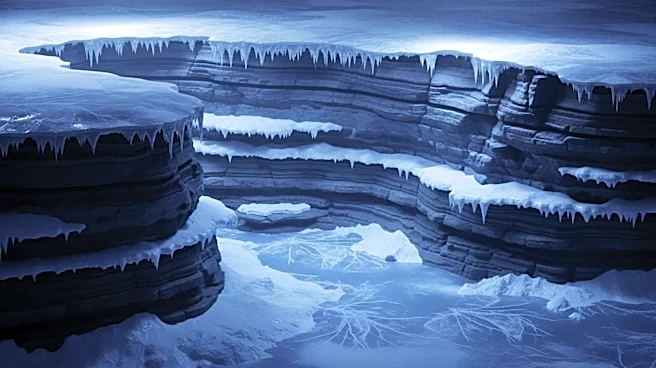
The Antarctic ice sheet is the world's largest, covering about 98% of the continent. It is also the largest reservoir of fresh water, containing enough ice to raise global sea levels by approximately 60 meters if melted. The ice sheet averages 1.6 kilometers in thickness, with some areas depressed more than 2.5 kilometers below sea level due to the weight of the ice.
Antarctica's climate is characterized by extreme cold, with temperatures reaching as low as -89.2°C. The continent is a polar desert, receiving an average of 150 millimeters of precipitation per year, mostly in the form of snow. The coastal regions can experience milder temperatures, reaching over 10°C in the summer.
Scientific Research in Antarctica
Antarctica is a unique environment for scientific research, offering opportunities to study climate change, glaciology, and astronomy. The continent's isolation and extreme conditions provide a natural laboratory for scientists to study the effects of climate change on ice sheets and global sea levels. Researchers also study the continent's unique ecosystems, including its diverse marine life and microorganisms.
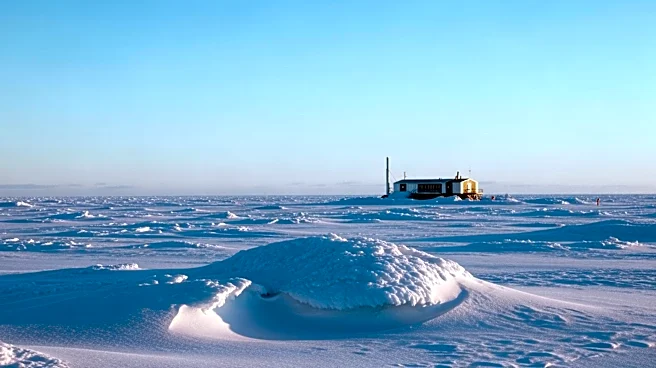
The Antarctic Treaty System, established in 1959, designates the continent as a scientific preserve and promotes international cooperation in scientific research. There are over 70 permanent and seasonal research stations on the continent, with the largest being the United States' McMurdo Station. These stations support a wide range of scientific disciplines, from geology and biology to atmospheric science and astrophysics.
Challenges and Future Prospects
Despite the success of scientific research in Antarctica, the continent faces several challenges. Climate change poses a significant threat to the stability of the ice sheets, with potential impacts on global sea levels. Human activity, including tourism and research operations, also poses risks to the fragile environment.
The Antarctic Treaty System plays a crucial role in addressing these challenges, promoting environmental protection and sustainable use of the continent's resources. As scientific research continues to advance, Antarctica will remain a vital location for understanding the Earth's climate and ecosystems. The continent's unique environment offers invaluable insights into the natural world, making it an essential focus for future scientific exploration.