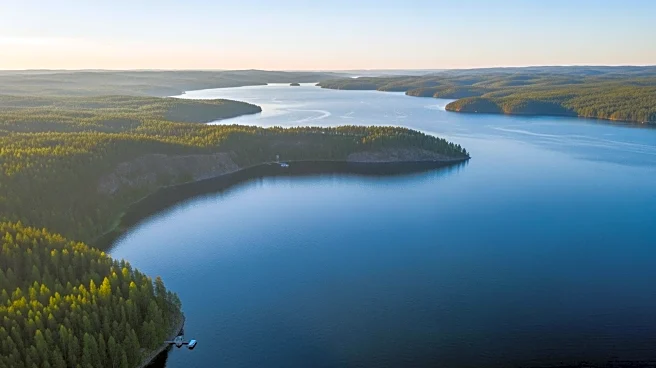

The Great Lakes are a remarkable collection of five large freshwater lakes located in North America. These lakes, which include Lake Superior, Lake Michigan, Lake Huron, Lake Erie, and Lake Ontario, hold
a significant portion of the world's surface fresh water. They form a crucial part of the border between the United States and Canada, offering both countries a wealth of natural resources and environmental benefits.
The Geographical Layout
The Great Lakes are situated in the northeastern United States and southeastern Canada, creating a natural boundary between the two nations. This region is known for its unique geological formation, known as the Great Lakes Basin. The basin is a narrow watershed that encompasses the lakes and is bounded by other major watersheds, including those of the Hudson Bay, the Mississippi River, and the Ohio River. This geographical setup not only defines the region's natural landscape but also influences its climate and ecosystems.The lakes themselves are interconnected by a series of rivers and straits, allowing for the movement of water and aquatic life between them. This interconnectedness is a defining feature of the Great Lakes system, contributing to its ecological diversity and complexity. The lakes' vast size and depth also play a role in regulating the climate of the surrounding areas, providing a moderating effect that can influence weather patterns.
Environmental Significance
The Great Lakes are home to a diverse array of plant and animal species, many of which are unique to this region. The lakes provide critical habitats for numerous fish species, birds, and other wildlife, making them an essential component of North America's ecological network. The abundance of fresh water also supports a variety of ecosystems, from wetlands and forests to grasslands and dunes.In addition to their ecological importance, the Great Lakes are a vital resource for human populations. They supply drinking water to millions of people in both the United States and Canada and support a range of economic activities, including fishing, agriculture, and tourism. The lakes' natural beauty and recreational opportunities attract visitors from around the world, contributing to the region's cultural and economic vitality.
Challenges and Conservation Efforts
Despite their many benefits, the Great Lakes face a range of environmental challenges. Pollution, invasive species, and climate change are among the most pressing issues affecting the lakes' health and sustainability. Efforts to address these challenges are ongoing, with governments, organizations, and communities working together to protect and preserve this vital natural resource.Conservation initiatives focus on reducing pollution, restoring habitats, and managing invasive species to ensure the long-term health of the Great Lakes ecosystem. These efforts are crucial for maintaining the lakes' ecological balance and ensuring that they continue to provide valuable resources and benefits for future generations.