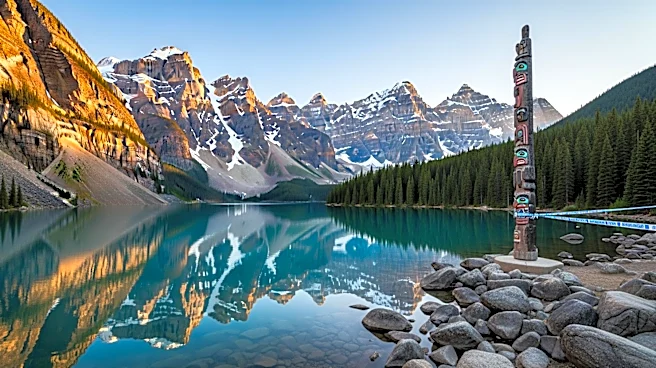
Kenai Fjords National Park, located on the Kenai Peninsula in southern Alaska, is a testament to the natural beauty and geological history of the region. Established in 1980, the park has become a symbol of conservation and natural wonder. This article takes a historical journey through the park's establishment and development.
The Establishment of the Park
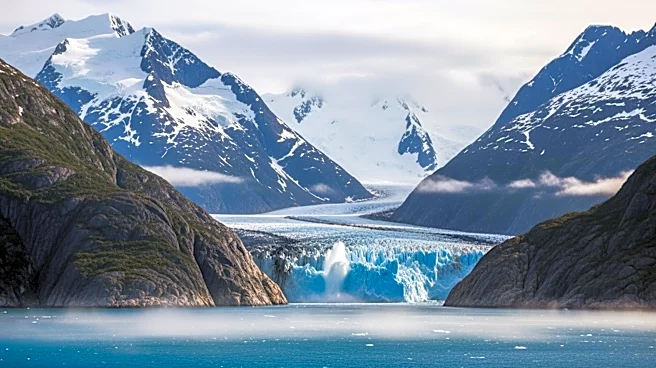
Kenai Fjords National Park was established on December 2, 1980, as part of the Alaska National Interest Lands Conservation Act. This act aimed to protect the unique landscapes and ecosystems of Alaska, ensuring their preservation for future generations. The park covers an area of over 2,700 square kilometers, making it one of the smaller national parks in Alaska. Despite its size, the park is home to some of the most stunning natural features in the United States, including the Harding Icefield and numerous glaciers.
Geological and Natural Significance
The park's landscape has been shaped by geological forces over millions of years. The Kenai Mountains, which dominate the park, were formed by the subduction of the Pacific Plate beneath the North American Plate. This tectonic activity has created the rugged terrain and dramatic fjords that define the region. The Harding Icefield, a remnant of the last Ice Age, is a key feature of the park, with over 30 glaciers flowing from it into the surrounding landscape.
Development and Conservation Efforts
Since its establishment, Kenai Fjords National Park has been a focus of conservation efforts. The park's management has worked to balance the preservation of its natural resources with the needs of visitors. Efforts have been made to monitor the park's glaciers and ecosystems, particularly in light of the challenges posed by climate change. The park's accessibility, with the Exit Glacier being the only part accessible by road, has made it a popular destination for tourists, further highlighting the importance of conservation efforts to protect its unique landscapes.