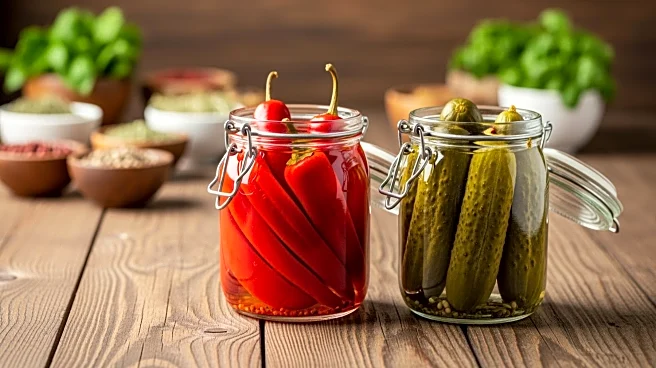




Pickling is a culinary art that transcends borders, with each culture adding its unique twist to this ancient preservation method. From the spicy pickles of South Asia to the tangy sauerkraut of Eastern Europe, pickling traditions vary widely across the globe. This article explores the diverse pickling practices and the cultural significance they hold in different regions.
Pickling in Asia
In South Asia, pickling is an integral part of the culinary landscape. Known
as achar, these savory condiments are made from a variety of fruits and vegetables, including mangoes, lemons, and chilies. The pickling process involves mixing these ingredients with salt, spices, and vegetable oils, and then allowing them to mature in the sun. This method not only preserves the food but also enhances its flavor, making it a staple in South Asian cuisine.
In Southeast Asia, pickling is equally popular, with countries like Indonesia, Malaysia, and the Philippines having their own unique pickling traditions. In the Philippines, for example, pickling is known as buro or binuro, and it is traditionally done using large earthen jars. Popular pickled foods include atchara, made from green papaya, and burong mangga, pickled unripe mangoes.
European Pickling Practices
Europe boasts a rich history of pickling, with each region offering its own specialties. In Eastern Europe, sauerkraut and pickled cucumbers are common, often enjoyed as accompaniments to hearty meals. In Hungary, pickles are a staple, with a wide variety of vegetables being pickled, including peppers, tomatoes, and even plums.
In the United Kingdom, pickled onions and eggs are popular pub snacks, while Branston Pickle, a sweet, vinegary chutney, is a beloved accompaniment to cheese and cold meats. In Scandinavia, pickled fish, such as herring and salmon, are traditional delicacies, often served with rye bread and potatoes.
Pickling in the Americas
In North America, pickling has evolved to include a wide range of foods. In the United States, pickled cucumbers, commonly referred to as pickles, are a staple, often enjoyed as a snack or in sandwiches. The American South is known for its sweet pickles, made with fruits like watermelon and peaches, using a syrup of vinegar and sugar.
In Mexico, pickling is a vibrant tradition, with chili peppers, onions, and carrots commonly pickled in vinegar. Known as escabeche, these pickles are a popular condiment, adding a spicy kick to meals. In Central America, curtido, a pickled cabbage slaw, is a traditional accompaniment to pupusas, a popular street food.
Pickling is a testament to the ingenuity of cultures worldwide, each adapting the method to suit local tastes and ingredients. Whether it's the fiery achar of India or the tangy sauerkraut of Germany, pickling continues to be a cherished culinary tradition, preserving not just food, but also cultural heritage.