



Hair spray is a common cosmetic product used to maintain hairstyles by providing hold and protection against environmental factors. Understanding the science behind hair spray involves examining its ingredients and how they work together to achieve the desired effect. This article explores the components of hair spray and their specific roles in its functionality.
Key Ingredients in Hair Spray
The primary ingredients in hair spray are polymers, solvents, and propellants. Polymers
are the active ingredients that provide the stiffness and hold needed to maintain hairstyles. Common polymers used in hair spray include polyvinylpyrrolidone and polyvinyl acetate. These polymers form a film over the hair, keeping it in place without causing it to snap or break.
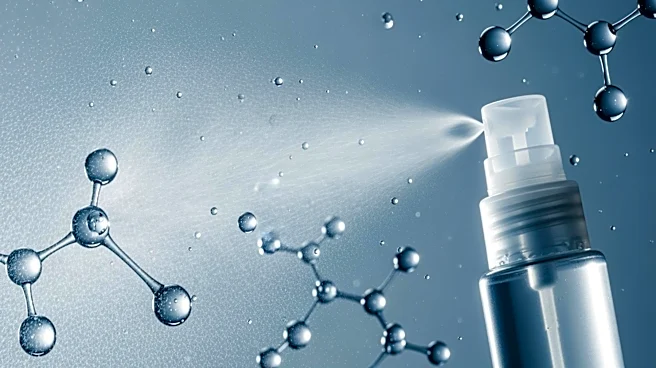
Solvents play a crucial role in carrying these polymers in a solution. Initially, chlorofluorocarbons (CFCs) were used as solvents due to their ideal properties as aerosol propellants. However, due to environmental concerns, CFCs have been replaced by alcohols and hydrocarbons. These new solvents are more environmentally friendly and help reduce the product's impact on the ozone layer.
The Role of Propellants and Additional Components
Propellants are essential for the application of hair spray, allowing it to be evenly distributed over the hair. Since the phase-out of CFCs, hydrocarbons like propane, butane, and isobutane have become popular propellants. Dimethyl ether is often added as it functions both as a propellant and a solvent, ensuring the even application of the product.
In addition to these primary components, hair spray may also contain plasticizers, luster agents, and fragrances. Plasticizers, such as esters of citric acid and adipic acid, help to enhance the flexibility of the polymer film, preventing it from becoming too brittle. Luster agents and fragrances are added to improve the aesthetic appeal of the product, making it more attractive to consumers.
Functionality and Versatility of Hair Spray
The functionality of hair spray is determined by the combination of its ingredients. By adjusting the concentration and type of polymers, manufacturers can create hair sprays with varying levels of hold, from flexible to maximum. This versatility allows consumers to choose a product that best suits their styling needs.
Hair spray's ability to protect against humidity and wind makes it an essential tool in hairstyling. Its scientific composition ensures that it not only holds hair in place but also enhances its appearance and resilience. As hair spray continues to evolve, it remains a testament to the innovative spirit of the beauty industry.