


Cajun cuisine is renowned for its bold flavors and rustic cooking methods, which have been honed over generations in the kitchens of Louisiana. This style of cooking is characterized by its use of locally available ingredients and simple preparation techniques, resulting in dishes that are both hearty and flavorful. Central to Cajun cooking are the unique methods and ingredients that give this cuisine its distinctive taste.
The Foundation of Flavor: The Holy Trinity
At the heart of Cajun cuisine
is the "holy trinity" of onions, bell peppers, and celery. This aromatic combination serves as the base for many Cajun dishes, similar to the mirepoix used in traditional French cooking. The holy trinity is often accompanied by additional aromatics such as parsley, bay leaf, thyme, green onions, and ground cayenne pepper, which contribute to the complex flavors of Cajun dishes.
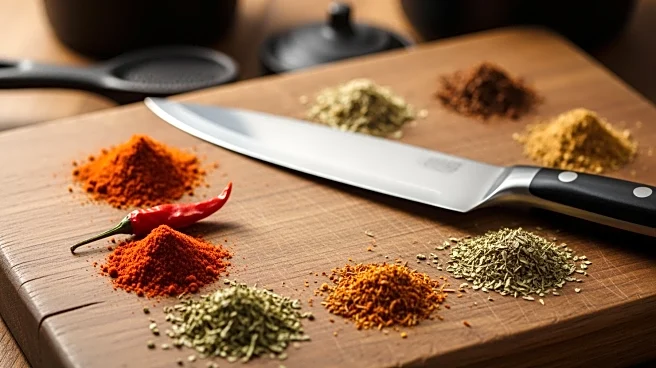
Cayenne pepper and Louisiana-style hot sauce are the primary sources of spice in Cajun cuisine, providing a well-balanced heat that enhances the overall flavor profile. The use of these spices, along with the holy trinity, is a defining characteristic of Cajun cooking, setting it apart from other regional cuisines.
Traditional Cooking Methods
Cajun cooking is often described as "rustic," with a focus on simple, one-pot meals that make use of available ingredients. Historically, Cajun cooks prepared their meals in single pots, a practice that continues today. Braising is a common technique used to cook meats, allowing them to become tender and flavorful over time.
A key component of many Cajun dishes is the roux, a mixture of wheat flour and fat that serves as a thickening agent. The roux is cooked slowly and stirred continuously until it reaches the desired color and flavor. This technique is especially important in dishes like gumbo, étouffée, and sauce piquante, where the roux forms the foundation of the dish.
Ingredients and Adaptations
Cajun cuisine is heavily reliant on locally sourced ingredients, including shellfish like shrimp and crawfish, which are abundant in the region's waterways. Rice is a staple in many Cajun dishes, providing a neutral base that complements the bold flavors of the cuisine.
The adaptability of Cajun cooking is evident in its ability to incorporate new ingredients and techniques. The introduction of Vietnamese spices and flavors has led to the development of Viet-Cajun fusion dishes, showcasing the dynamic nature of Cajun cuisine. Despite these modern adaptations, the core principles of Cajun cooking remain rooted in tradition, emphasizing simplicity, flavor, and the use of local ingredients.