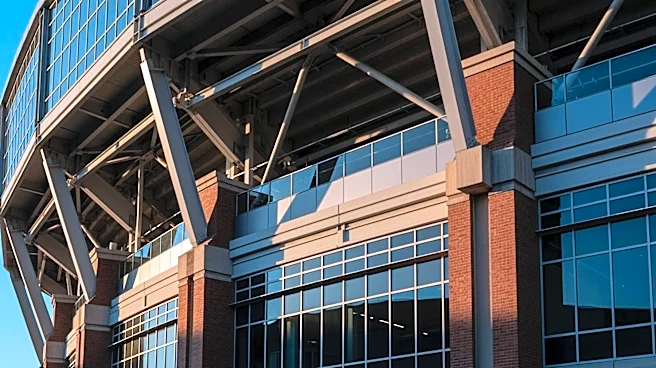





Westfalenstadion, known today as Signal Iduna Park, stands as a monumental structure in Dortmund, Germany. This stadium, home to Borussia Dortmund, has undergone significant changes since its inception. From its initial construction in the early 1970s to various renovations over the decades, Westfalenstadion has evolved to become the largest stadium in Germany. This article explores the key phases of its development, highlighting the construction and renovation efforts
that have shaped its current form.
Initial Construction and Opening
The construction of Westfalenstadion began in 1971, following a decision to relocate funds initially intended for Cologne to Dortmund. This decision was pivotal, as it allowed Dortmund to host matches for the 1974 FIFA World Cup. The stadium was completed in 1974, with an initial capacity of 54,000 seats. The opening event was a charity match between Borussia Dortmund and Schalke 04, marking the beginning of the stadium's storied history.
The first official match at Westfalenstadion took place on April 7, 1974, in the 2. Bundesliga, where Borussia Dortmund faced Bayer Uerdingen. This match ended in a goalless draw, setting the stage for many more memorable games. The stadium's design and capacity were considered impressive for the time, providing a modern venue for both domestic and international football events.
Renovations and Capacity Expansion
Westfalenstadion has undergone several renovations to enhance its facilities and increase its capacity. The first major renovation occurred in 1992, when the north stand was converted to seating, reducing the overall capacity to 42,800. However, this was just the beginning of a series of expansions that would transform the stadium.
Between 1995 and 1999, the stadium underwent further renovations, including the addition of new stands on the west and east sides. These changes increased the capacity to 68,600. The most significant expansion occurred in 2003/2004, when the stadium corners were removed, and the south stand was expanded to accommodate 25,000 spectators, making it the largest standing terrace in Europe.
Modern Enhancements and Current Status
In preparation for the 2006 FIFA World Cup, Westfalenstadion underwent additional upgrades. These included the installation of an electronic entrance system, improvements to facilities for disabled spectators, and enhancements to VIP areas. These changes brought the stadium's capacity to 81,264 for domestic matches and 65,590 for international events.
Today, Westfalenstadion is recognized as an elite stadium by UEFA, capable of hosting major club competition finals. Its modern amenities and impressive capacity make it a premier venue for football in Europe. The stadium's evolution from its initial construction to its current status reflects a commitment to providing a world-class experience for fans and players alike.