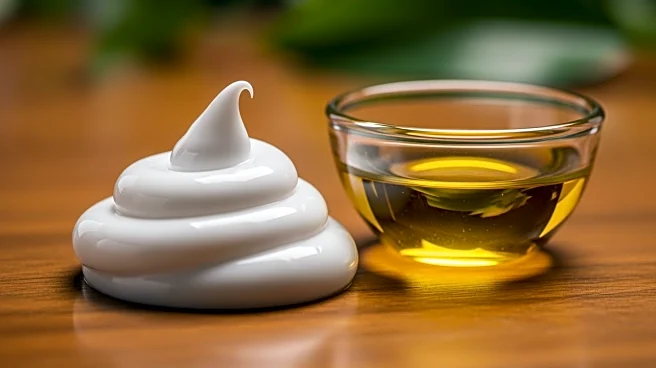




Hair conditioner has come a long way from its humble beginnings. Originally, natural oils were the primary means of conditioning hair, providing moisture and shine. Over time, the formulation of hair conditioners has evolved significantly, incorporating scientific advancements to meet the diverse needs of consumers. This article explores the historical development of hair conditioner, highlighting key milestones and innovations that have shaped the industry.
Early Beginnings: Natural Oils
For centuries, natural oils have been used to condition human hair. In the late Victorian era, Macassar oil was a popular choice among men, although it was quite greasy and required the use of antimacassars to protect furniture from oil stains. These natural oils served as the foundation for early hair conditioning practices, providing essential moisture and shine to the hair.
The use of natural oils was not limited to Macassar oil. Various cultures around the world utilized different oils and herbal extracts to maintain healthy hair. These traditional methods laid the groundwork for the development of more sophisticated hair conditioning products.
The Birth of Modern Hair Conditioner
The turn of the 20th century marked a significant milestone in the evolution of hair conditioner. In 1900, the Edouard Pinaud company introduced Brilliantine at the Exposition Universelle in Paris. This product was designed to soften men's hair, including beards and mustaches, and represented a shift towards more specialized hair care products.
Since the introduction of Brilliantine, the hair conditioner industry has seen remarkable advancements. Modern science has enabled the creation of conditioners using silicone, fatty alcohols, and quaternary ammonium compounds. These chemical formulations offer the benefits of conditioning without the greasy feel associated with natural oils.
Advancements in Hair Conditioner Technology
Today's hair conditioners come in various forms, including viscous liquids, gels, creams, lotions, and sprays. These products are designed to improve the texture, appearance, and manageability of hair, reducing friction between strands to prevent damage during brushing or combing.
Conditioners now offer a range of benefits, such as hair repair, strengthening, and reduction of split ends. The use of silicone and other advanced ingredients ensures that conditioners provide effective results without weighing down the hair or causing greasiness.
The evolution of hair conditioner reflects the industry's commitment to meeting consumer needs through innovation and scientific research. As technology continues to advance, we can expect further improvements in hair conditioning products, offering even more tailored solutions for diverse hair types and concerns.