




Basmati rice is renowned for its unique aroma and flavor, setting it apart from other rice varieties. This article explores the distinctive characteristics of Basmati rice, its chemical composition, and its culinary applications that have made it a favorite in kitchens worldwide.
Distinctive Characteristics
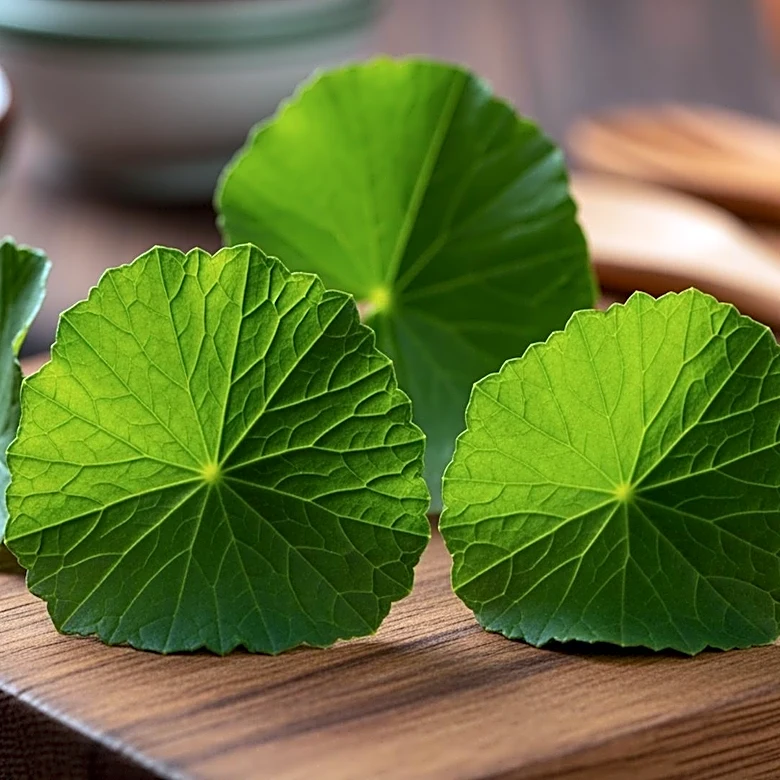
The hallmark of Basmati rice is its aromatic fragrance, often compared to the scent of pandan leaves. This characteristic aroma is primarily due to the presence of a chemical
compound called 2-acetyl-1-pyrroline. Basmati rice contains about 0.09 parts per million of this compound, which is approximately 12 times more than non-Basmati rice varieties. This high concentration gives Basmati its signature fragrance and flavor, making it a sought-after ingredient in various cuisines.
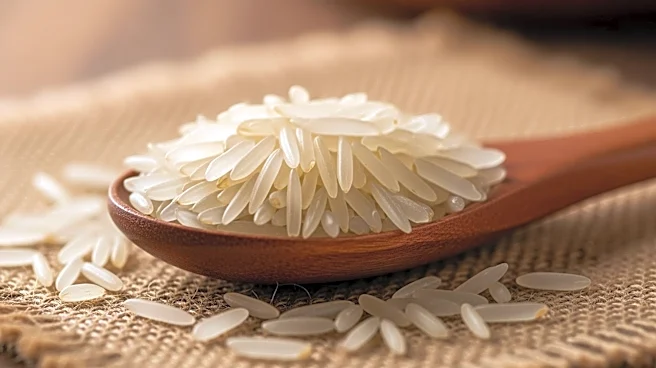
In addition to its aroma, Basmati rice is known for its long, slender grains that elongate significantly during cooking. The grains remain separate and fluffy, providing a delightful texture that complements a wide range of dishes. This unique combination of aroma, flavor, and texture makes Basmati rice a versatile ingredient in both traditional and modern culinary creations.
Culinary Applications
Basmati rice is a staple in Indian and Pakistani cuisine, where it is often used in dishes like biryani, pilaf, and various curries. Its ability to absorb flavors while maintaining its distinct aroma makes it an ideal base for these richly spiced dishes. The long grains and fluffy texture of Basmati rice also make it a popular choice for serving alongside grilled meats and vegetables.
Beyond South Asian cuisine, Basmati rice has found its way into kitchens around the world. It is used in Middle Eastern dishes, such as kabsa and mansaf, and is a favored choice for rice salads and side dishes in Western cuisine. The versatility of Basmati rice allows it to be paired with a variety of ingredients, from herbs and spices to nuts and dried fruits, creating a wide array of flavorful dishes.
Preserving Aroma and Flavor
To preserve the aroma and flavor of Basmati rice, it is recommended to soak the rice for about 30 minutes before cooking. This practice not only reduces cooking time by approximately 20% but also helps retain more of the aromatic compound 2-acetyl-1-pyrroline. Cooking Basmati rice with minimal stirring and using the absorption method can further enhance its texture and flavor.
Basmati rice's unique aroma and flavor profile have made it a beloved ingredient in kitchens worldwide. Its versatility and ability to complement a wide range of dishes ensure that it remains a staple in both traditional and contemporary culinary practices.