





Exfoliation has been a part of skincare routines for centuries, with its origins tracing back to ancient civilizations. The practice has evolved significantly over time, incorporating various methods and materials to enhance skin health and appearance. From the use of natural ingredients in ancient Egypt to the development of sophisticated chemical peels today, exfoliation remains a vital component of skincare.
Ancient Exfoliation Practices
The concept of exfoliation dates back
to ancient Egypt, where individuals used a combination of alabaster, salt, and sour milk to improve skin quality. This mixture served as an early form of chemical exfoliation, utilizing lactic acid from sour milk to remove dead skin cells. Similarly, in ancient China during the Qing Dynasty, exfoliation was practiced to maintain skin health and beauty.
These early methods relied on natural ingredients and simple techniques, reflecting the limited scientific understanding of skincare at the time. Despite this, the effectiveness of these practices laid the foundation for future developments in exfoliation.
The Rise of Mechanical Exfoliation
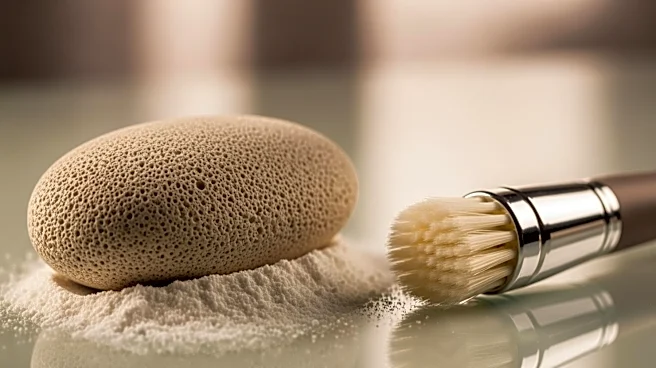
As skincare knowledge expanded, mechanical exfoliation methods gained popularity. These techniques involve physically scrubbing the skin with abrasive materials, such as pumice stones, loofahs, and brushes. The use of pumice, an igneous rock, became particularly common for exfoliating calluses and corns on the feet.
Mechanical exfoliation offers a straightforward approach to removing dead skin cells, making it accessible to a wide audience. However, it requires careful selection of tools to avoid skin irritation, especially for those with sensitive or dry skin.
Modern Chemical Exfoliation Techniques
The development of chemical exfoliation marked a significant advancement in skincare. Chemical peels utilize substances like alpha-hydroxy acids (AHAs) and beta hydroxy acids (BHAs) to dissolve dead skin cells and promote skin renewal. These exfoliants are available in various forms, including cleansers, scrubs, and peels, catering to different skin types and concerns.
Chemical exfoliation offers precise control over the exfoliation process, allowing for targeted treatment of specific skin issues, such as acne and hyperpigmentation. While effective, it requires careful application to prevent over-exfoliation and skin damage.
Exfoliation has come a long way since its ancient origins, evolving into a sophisticated practice that combines traditional methods with modern scientific advancements. Whether through mechanical or chemical means, exfoliation continues to play a crucial role in maintaining healthy, radiant skin.