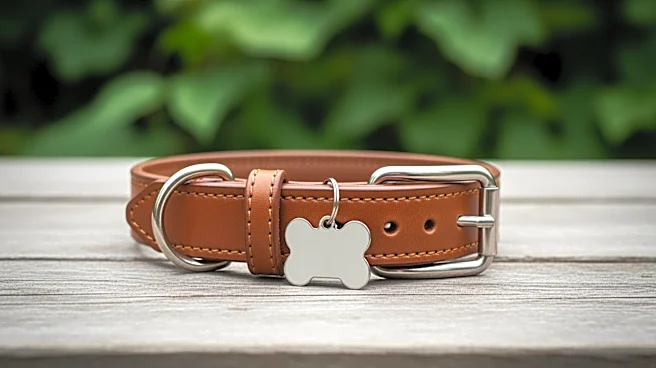







Dog collars serve multiple purposes, with identification and safety being among the most important. These collars are designed to ensure that dogs can be easily identified and kept safe in various situations. This article explores the role of dog collars in identification and safety, highlighting their design and benefits.
Identification Tags and Information
One of the primary functions of dog collars is to hold identification tags. These tags typically include the dog's name, owner's
contact information, and sometimes medical details. This information is crucial in ensuring that lost dogs can be returned to their owners quickly and safely. Identification tags provide a simple yet effective way to communicate essential details about the dog.
Collars designed for identification are often equipped with loops or rings to attach tags securely. The choice of material, whether leather, nylon, or metal, can affect the durability and visibility of the tags. Properly fitted collars ensure that tags remain visible and accessible, reducing the risk of losing them during outdoor activities.
Safety Features and Design
Dog collars also play a vital role in safety, particularly when used in conjunction with leashes. Collars provide a means to control and restrain dogs, preventing them from running into dangerous situations. The design of the collar can significantly impact its effectiveness in ensuring safety. For instance, martingale collars are designed to prevent dogs from slipping out, offering a secure fit without causing harm.
Reflective collars are another safety feature, enhancing visibility during nighttime walks. These collars incorporate reflective materials that make dogs more visible to motorists, reducing the risk of accidents. The choice of collar design can be tailored to the specific needs of the dog, ensuring both comfort and safety.
Balancing Functionality and Comfort
While functionality is crucial, comfort should not be overlooked when selecting a dog collar. A well-fitted collar should be snug but not too tight, allowing two fingers to fit comfortably between the collar and the dog's neck. This ensures that the collar does not cause discomfort or restrict breathing.
The balance between functionality and comfort is essential in choosing the right collar for a dog. Owners must consider the dog's size, breed, and behavior when selecting a collar, ensuring that it meets both identification and safety needs without compromising comfort. As dog collars continue to evolve, their role in identification and safety remains a cornerstone of responsible pet ownership.