


The Nivelles-Baulers circuit was a Belgian race track that played a significant role in the country's motorsport history. Located near Brussels, it was designed to be a safer alternative to the famous Spa circuit. Despite its promising start, the track faced numerous challenges that led to its eventual closure. This article delves into the timeline of Nivelles-Baulers, highlighting key events from its construction to its demise.
Construction and Early Years
The Nivelles-Baulers
circuit broke ground in 1971 and opened in 1972. It was designed by Roger Caignie and John Hugenholtz, who aimed to create a safer racing environment. The track featured massive runoff areas and a flat, featureless design, which was intended to minimize accidents. However, this design was met with criticism from drivers who found it bland and sterile.
In its early years, Nivelles-Baulers hosted several major events, including the Formula One Belgian Grand Prix in 1972 and 1974. Both races were won by Emerson Fittipaldi, a testament to the track's competitive nature. Despite these successes, the circuit struggled to attract spectators, who felt disconnected from the action due to the track's layout.
Economic Struggles and Decline
The Nivelles-Baulers circuit faced economic difficulties almost immediately after opening. The organizer went bankrupt in 1974, but managed to secure enough sponsorship to host that year's Formula One race. By 1976, the track was deemed unsafe for Formula One due to deteriorating tarmac conditions, and the Belgian Grand Prix was moved elsewhere.
Motorcycle events continued at Nivelles-Baulers until 1981, but the circuit's reputation had been tarnished. By 1980, the track was considered too dangerous for car racing, and its license expired on June 30, 1981. The closure marked the end of an era for the circuit, which had once been a beacon of safety in motorsport.
Legacy and Transformation
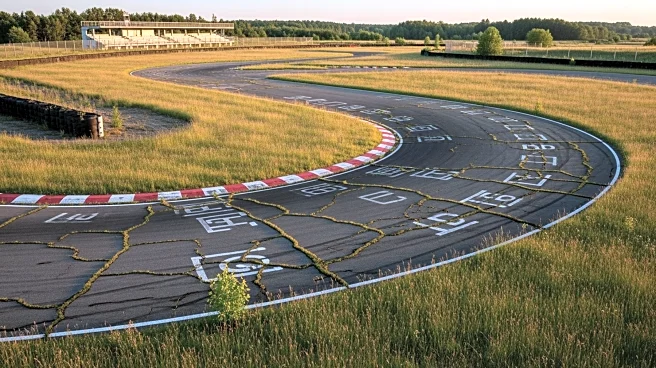
After its closure, the Nivelles-Baulers circuit was left abandoned for years. The pit buildings and track remained intact, allowing enthusiasts to drive illegal laps around the circuit. In the late 1990s, the site was transformed into an industrial estate, erasing much of its racing heritage.
Today, traces of the circuit can still be seen, serving as a reminder of its brief but impactful history. The Nivelles-Baulers circuit may have faced numerous challenges, but its legacy lives on in the memories of those who raced and watched events unfold on its tarmac.