






The FIFA World Cup Trophy is not just a symbol of victory in soccer; it is a cultural icon that resonates with fans and players around the globe. Its significance extends beyond the sport, representing national pride, unity, and the spirit of competition. This article delves into the cultural impact of the FIFA World Cup Trophy and how it has become an enduring symbol in the world of sports.
A Symbol of National Pride
Winning the FIFA World Cup Trophy is the ultimate achievement
for any national soccer team. It signifies not only sporting excellence but also national pride. The trophy's presence at the World Cup final is a powerful motivator for players, who dream of lifting it high above their heads in front of millions of fans. This act of triumph, which began with Brazilian captain Hilderaldo Bellini in 1958, has become a cherished tradition, symbolizing victory and national glory.
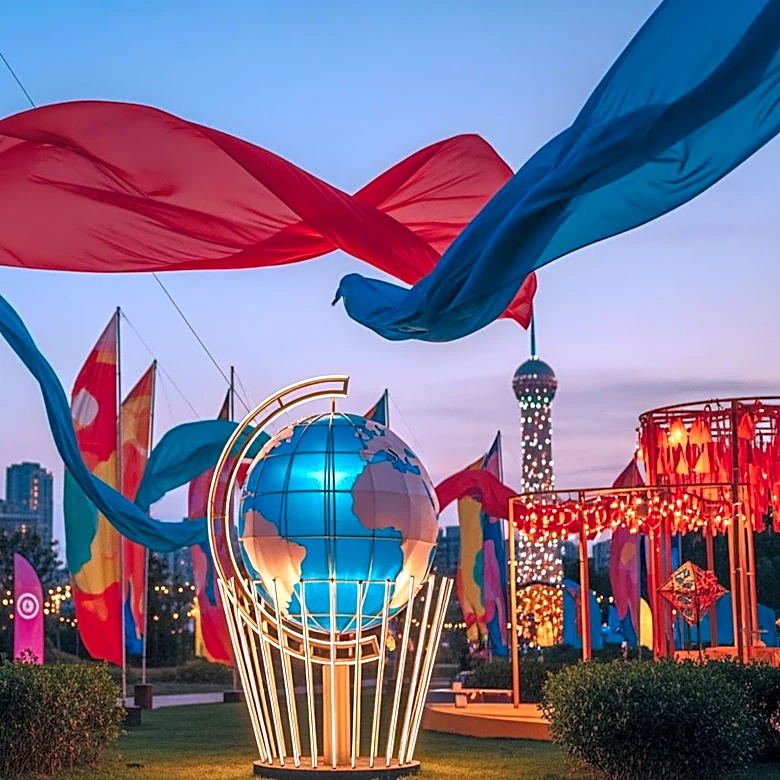
The trophy's design, featuring two human figures holding up the Earth, underscores its global significance. It represents the unity and camaraderie that soccer fosters among nations, transcending cultural and geographical boundaries. For fans, the trophy is a source of inspiration and a reminder of their country's achievements on the world stage.
The Trophy's Global Reach
The FIFA World Cup Trophy's cultural impact is further amplified by its global reach. The trophy travels the world on the FIFA World Cup Trophy Tour, allowing fans from various countries to experience a piece of soccer history. This tour not only brings the trophy closer to fans but also highlights the universal appeal of the World Cup.
The trophy's presence at the opening game and final of each World Cup further cements its status as a central figure in the sport. It is a symbol of the tournament's prestige and the culmination of years of preparation and competition. For players and fans alike, the trophy represents the pinnacle of achievement in soccer.
An Enduring Legacy
The FIFA World Cup Trophy's cultural significance is not limited to the tournament itself. It has become an enduring symbol of the sport, inspiring generations of players and fans. The trophy's history, from the Jules Rimet Trophy to its current form, is a testament to the evolution of soccer and its impact on the world.
In conclusion, the FIFA World Cup Trophy is more than just a prize; it is a cultural icon that embodies the spirit of soccer. Its significance extends beyond the sport, representing national pride, unity, and the enduring legacy of the World Cup. As the ultimate symbol of victory, the trophy continues to inspire and captivate fans around the world.