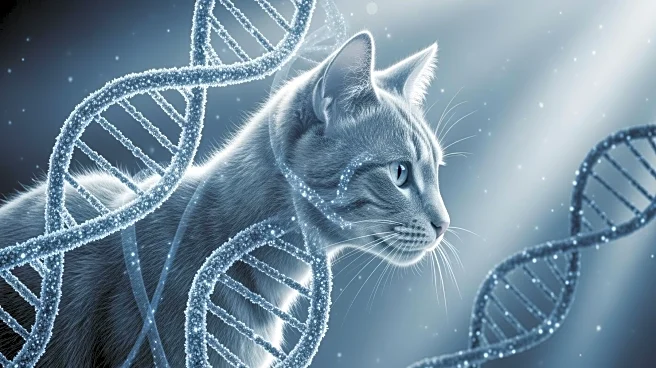




Neva Masquerade cats are a captivating breed known for their distinctive colorpoint markings and blue eyes. These traits are a result of specific genetic factors that have been selectively bred into the breed. Understanding the genetic makeup of Neva Masquerade cats provides insight into their unique characteristics and potential health considerations. This article explores the genetic traits, health concerns, and ongoing research related to Neva Masquerade cats.
Genetic Traits and Colorpoint Gene
The Neva Masquerade carries the same colorpoint gene as the Siamese cat, which is responsible for its striking point markings and blue eyes. This gene, a variant of the TYR gene, is heat-sensitive, leading to darker pigmentation on cooler body parts such as the legs, tail, and head. The gene pool of the Neva Masquerade shares significant overlap with the Siberian cat, as the two breeds have been crossbred for many years.
The colorpoint gene in Neva Masquerade cats results in a variety of point colors, including seal, blue, cream, and tabby. The intensity of the blue eye color can vary among individuals. While the breed is known for its colorpoint markings, completely white cats are not considered Neva Masquerades, as they lack the Siamese colorpoint gene.
Health Considerations
Neva Masquerade cats, like many purebred cats, may be prone to certain hereditary health conditions. One such concern is polycystic kidney disease (PKD), which has been diagnosed in the breed. PKD is a hereditary disease prevalent in the Persian cat gene pool, and its presence in Neva Masquerades may be linked to their genetic relationship with Himalayan cats.
Hypertrophic Cardiomyopathy (HCM) is another significant health concern, particularly in Siberian cats. HCM is characterized by the thickening of the heart's muscle walls, leading to complications such as heart failure and sudden death. While research on the prevalence of HCM in Neva Masquerades is ongoing, breeders are advised to monitor for this condition.
Ongoing Research and Genetic Testing
Research on the genetic makeup and health concerns of Neva Masquerade cats is an ongoing process. Studies have shown distinctions between Neva Masquerades and Siberian cats in terms of body language, vocalizations, and hereditary diseases. These differences highlight the importance of continued research to better understand the breed's genetic traits and health risks.
Genetic testing for point mutations and hereditary diseases is available to breeders, allowing them to make informed decisions about breeding practices. As research progresses, further insights into the genetic makeup of Neva Masquerade cats may emerge, contributing to improved health outcomes and breed preservation.
In conclusion, the genetic makeup of Neva Masquerade cats is a fascinating area of study that offers insights into their unique characteristics and potential health concerns. Continued research and genetic testing are essential for ensuring the well-being and longevity of this captivating breed.