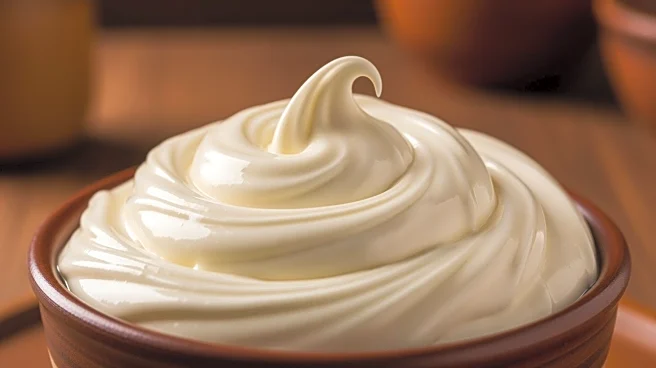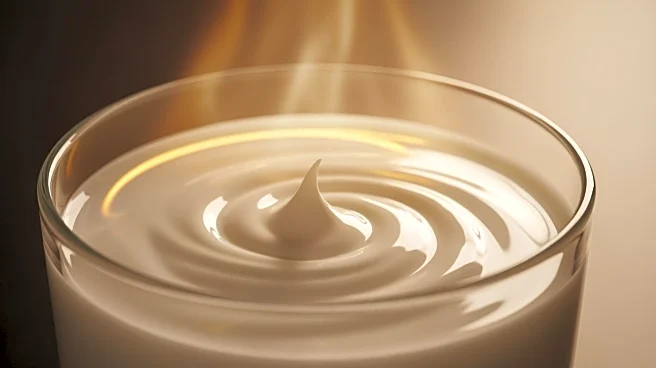

Baked milk is a beloved dairy product in Eastern Europe, known for its creamy texture and caramel flavor. This unique taste is the result of specific chemical reactions that occur during its preparation.
By simmering milk for extended periods, baked milk undergoes transformations that set it apart from other dairy products. Understanding these processes provides insight into why baked milk is so distinct and cherished.
The Maillard Reaction
The key to baked milk's unique flavor lies in the Maillard reaction, a chemical process that occurs when amino acids and sugars in the milk interact under heat. This reaction is responsible for the formation of melanoidin compounds, which give baked milk its creamy color and caramel flavor. The Maillard reaction is not unique to baked milk; it is also responsible for the browning of bread crusts and the flavor of roasted coffee.
In the case of baked milk, the prolonged exposure to low heat allows the Maillard reaction to occur slowly and thoroughly, enhancing the milk's flavor profile. This slow cooking process is essential, as it ensures that the reaction has enough time to develop the desired taste and color. The result is a thick, caramel-flavored beverage that is both rich and satisfying.
Evaporation and Consistency
Another important aspect of baked milk's preparation is the evaporation of moisture. As the milk simmers for hours, a significant amount of water evaporates, leading to a change in consistency. This evaporation process contributes to the thick, creamy texture that baked milk is known for.
The reduction in moisture content also concentrates the flavors, making the caramel notes more pronounced. This change in consistency and flavor is a hallmark of baked milk, distinguishing it from other milk products that do not undergo such extensive cooking.
Industrial Production and Safety
In modern times, baked milk is produced on an industrial scale, ensuring consistency and safety. Like scalded milk, baked milk is free of bacteria and enzymes, allowing it to be stored safely at room temperature for up to forty hours. This extended shelf life is a result of the thorough cooking process, which eliminates potential pathogens and preserves the milk's quality.
The industrial production of baked milk has made it more accessible to consumers, allowing more people to enjoy its unique flavor and texture. Despite the shift from traditional to industrial methods, the fundamental chemical processes that define baked milk remain the same, ensuring that its distinctive taste continues to be appreciated.
In summary, the unique flavor and texture of baked milk are the result of the Maillard reaction and moisture evaporation during its preparation. These chemical processes are essential to creating the rich, caramel-flavored beverage that has been cherished in Eastern Europe for generations.