





Proteins are vital components of the human diet, serving as essential nutrients that support various bodily functions. They are not only building blocks for body tissues but also act as a crucial energy source. Understanding the role of proteins in nutrition helps us appreciate their importance in maintaining health and preventing malnutrition.
Proteins as Building Blocks
Proteins are composed of amino acids, which are necessary for the growth and repair of body tissues. These
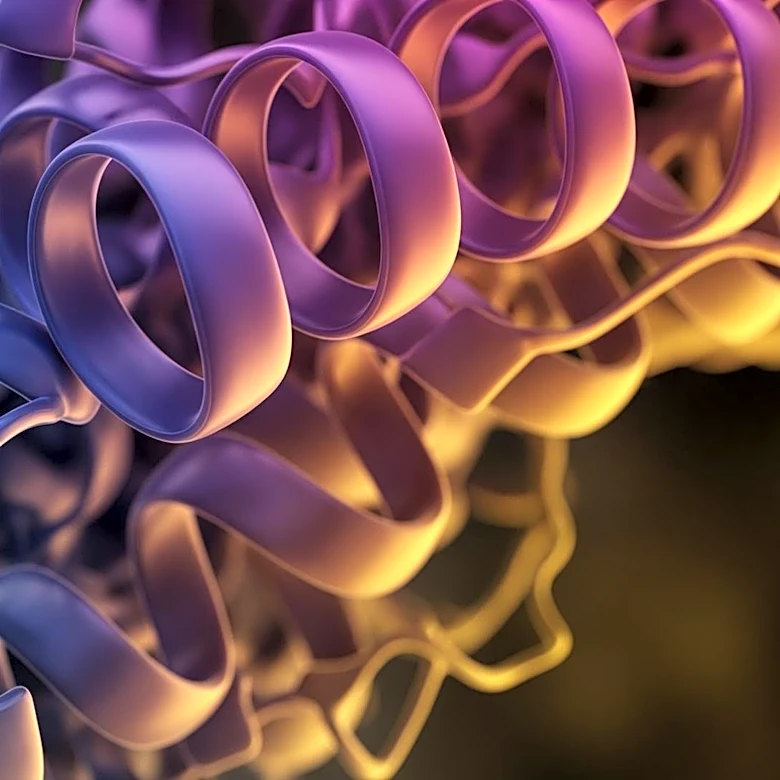
amino acids are linked by peptide bonds to form long chains, known as polypeptides. During digestion, proteins are broken down into these smaller polypeptide chains and eventually into individual amino acids. This process is essential because the human body cannot synthesize all amino acids on its own. There are nine essential amino acids that must be obtained through diet, including phenylalanine, valine, and tryptophan.
The amino acid composition of proteins is crucial from a nutritional standpoint. Different foods provide varying levels of these essential amino acids, and the body's ability to utilize them depends on their digestibility and biological value. For instance, animal-based proteins like meat and dairy are often considered complete proteins because they contain all essential amino acids in adequate proportions.
Dietary Sources of Protein
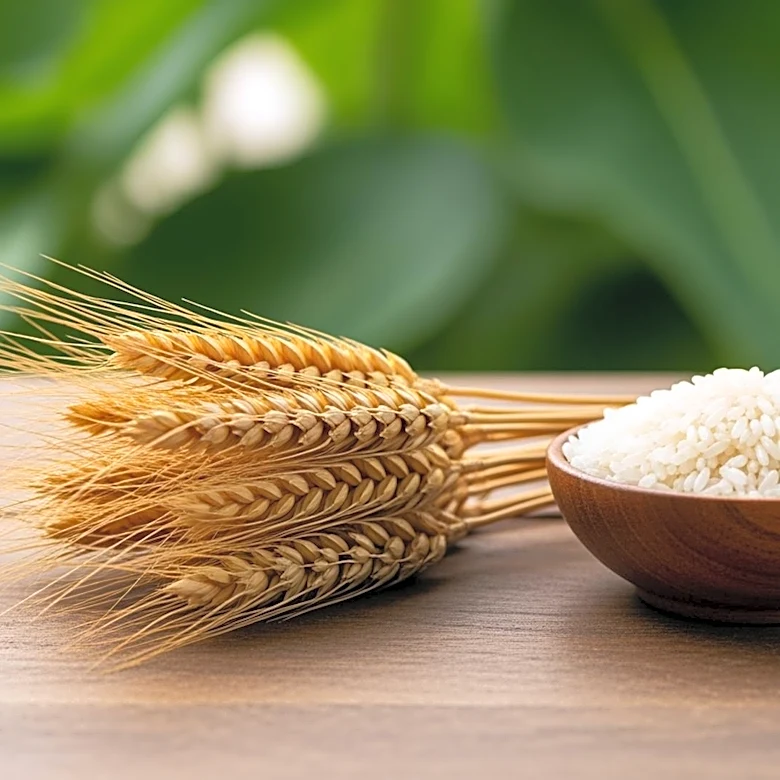
Proteins are found in a wide range of foods, both animal and plant-based. In North America, animal-derived foods contribute significantly to protein intake, while plant-based proteins are more prevalent in other parts of the world. Common dietary sources include meats, dairy products, fish, eggs, grains, legumes, nuts, and seeds. Each of these sources offers a unique profile of amino acids, making it important to consume a variety of protein-rich foods to meet nutritional needs.
In some regions, insects are also a significant source of protein. For example, in parts of Africa, up to 50% of dietary protein comes from insects. This highlights the diversity of protein sources available globally and the cultural differences in dietary habits.
Protein Quality and Dietary Recommendations
The quality of protein is often assessed by its amino acid composition and digestibility. Systems like the Protein Digestibility Corrected Amino Acid Score (PDCAAS) are used to evaluate protein quality. This score helps determine how well a protein source meets the body's amino acid requirements.
Dietary guidelines suggest that adults consume at least 0.8 grams of protein per kilogram of body weight daily. This recommendation ensures that individuals receive enough protein to support bodily functions and maintain muscle mass. However, active individuals and athletes may require higher protein intake to support increased energy expenditure and muscle repair.
Understanding the role of proteins in nutrition is essential for making informed dietary choices. By consuming a balanced diet with diverse protein sources, individuals can ensure they meet their nutritional needs and support overall health.