



The Super Bowl LI halftime show, headlined by Lady Gaga, was not only a musical spectacle but also a technical marvel. Held on February 5, 2017, at NRG Stadium in Houston, Texas, the show featured groundbreaking use of technology, including drones and advanced stage design. This article explores the technical innovations and challenges that made the halftime show a standout event in live performance history.
Innovative Use of Drones
One of the most talked-about aspects of the Super
Bowl LI halftime show was the use of drones. For the first time in television broadcast history, a fleet of 300 synchronized, LED-equipped "Shooting Star" quadcopter drones was used to create stunning visual effects. These drones formed an image of the American flag behind Lady Gaga during the show's introduction, adding a patriotic and visually striking element to the performance.
The use of drones was a significant technical achievement, requiring careful planning and coordination. The segment was filmed earlier in the week due to safety concerns over flying the formation over a live audience. The Federal Aviation Administration (FAA) had imposed restrictions on drone use within a 34.5-mile radius of NRG Stadium, but the production team obtained special permission to perform the drone acrobatics. This innovative use of technology set a new standard for live performances, showcasing the potential of drones in creating dynamic visual displays.
Advanced Stage Design and Production
The stage design and production for the halftime show were equally impressive. Designers Bruce Rodgers and LeRoy Bennett, along with lighting designer Bob Barnhart, created a visually impactful stage setup. The stage featured a main platform, two towers, three star-shaped side stages, a piano dome, and a stage lift. The towers, about 30 feet tall, were designed to be easily transported and set up on the field.
The show used a light-emitting diode (LED) system from Verrents and sound by ATK Audiotek, with about 5,000 LED lights embedded in the stage. Special effects group Strictly FX handled the pyrotechnics, adding to the show's visual spectacle. The production team faced the challenge of creating a stage that could be set up and dismantled quickly, as the halftime show only allowed for a short setup and teardown time. Despite these challenges, the team delivered a seamless and visually stunning performance.
Lighting and Multimedia Excellence
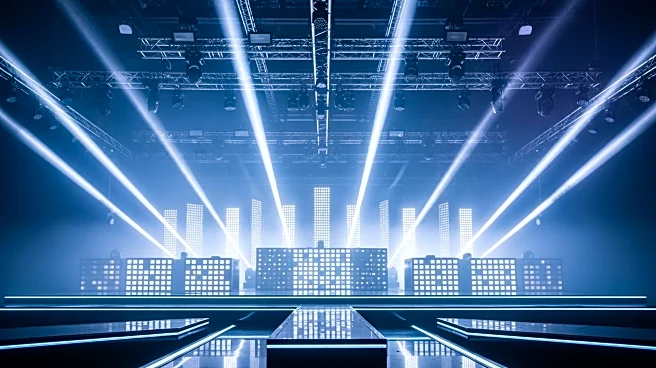
Lighting played a crucial role in the halftime show's success. Production Resource Group (PRG) supplied the show's lighting, with Chris Conti sharing Barnhart's floor plan for the lighting setup. The lighting design included an array of 36 Clay Paky Sharpy fixtures around the roof of NRG Stadium, which lit the Houston night sky with light beams. The lighting team also used Philips Vari-Lite VL4000 and PRG Best Boy fixtures to create dynamic lighting effects.
The multimedia elements of the show were equally impressive. The field cast used Glow Motion LED batons to create a three-dimensional moving pixel show, synchronized with the music. This added another layer of visual complexity to the performance, enhancing the overall experience for viewers. The combination of lighting, multimedia, and stage design created a cohesive and visually stunning show that captivated audiences worldwide.
In conclusion, the Super Bowl LI halftime show was a technical triumph, showcasing the potential of technology in live performances. The innovative use of drones, advanced stage design, and lighting excellence set a new standard for halftime shows and live events. The show's success demonstrated the power of technology to enhance the audience experience, creating a memorable and impactful performance that continues to be celebrated.