






Polyester, while widely used for its durability and versatility, poses significant environmental challenges. As a synthetic polymer, most polyesters are not biodegradable, leading to concerns about their impact on the environment. This article explores the environmental issues associated with polyester and discusses potential solutions to mitigate its ecological footprint.
Non-Biodegradability and Pollution
One of the primary environmental concerns with polyester is its non-biodegradability.
Most synthetic polyesters, including polyethylene terephthalate (PET), do not break down naturally in the environment. This leads to the accumulation of polyester waste in landfills and natural habitats, contributing to pollution and environmental degradation.
The production and disposal of polyester also contribute to microplastic pollution. During washing, polyester fibers can shed microfibers that enter water systems and eventually make their way into oceans and other bodies of water. These microplastics pose a threat to marine life, as they can be ingested by aquatic organisms and enter the food chain.
Recycling and Sustainable Practices
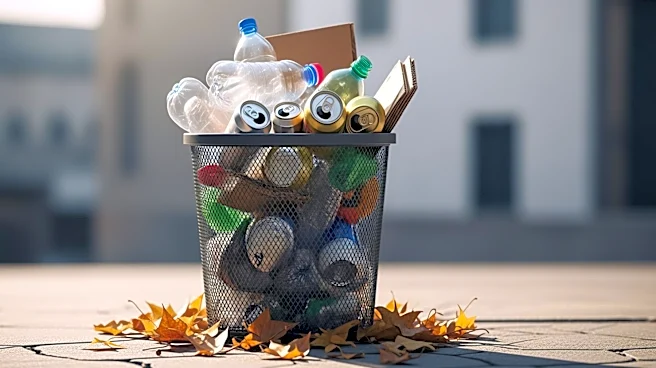
To address the environmental impact of polyester, recycling has become an important focus. The production of recycled PET (rPET) from post-consumer plastic bottles is an effective way to reduce the environmental footprint of polyester manufacturing. By recycling PET, the demand for virgin polyester is decreased, conserving resources and reducing waste.
In addition to recycling, advancements in polyester production aim to make the process more sustainable. For example, the use of low-carbon energy in production can help reduce the carbon emissions associated with polyester manufacturing. Efforts to develop biodegradable polyesters and improve the recyclability of polyester products are also underway, offering potential solutions to the environmental challenges posed by this material.
Future Directions and Innovations
The future of polyester lies in the development of more sustainable practices and materials. Innovations in chemical recycling and the use of bio-based raw materials are promising avenues for reducing the environmental impact of polyester. By focusing on these areas, the industry can work towards creating a more sustainable and environmentally friendly polyester.
Public awareness and consumer demand for sustainable products are also driving change in the polyester industry. As consumers become more conscious of the environmental impact of their purchases, there is a growing market for eco-friendly polyester products. This shift in consumer behavior encourages manufacturers to adopt more sustainable practices and invest in research and development to create greener alternatives.
By addressing the environmental challenges associated with polyester, the industry can continue to benefit from its versatility and durability while minimizing its ecological impact.