




Corduroy is a textile that stands out due to its distinctive raised cord or wale texture. Known for its durability and versatility, corduroy is used in a variety of applications, from clothing to furniture. This article examines the unique characteristics of corduroy, focusing on its construction, wale count, and the different types available.
Construction and Texture
Corduroy is composed of twisted fibers that, when woven, lie parallel to each other, forming the fabric's
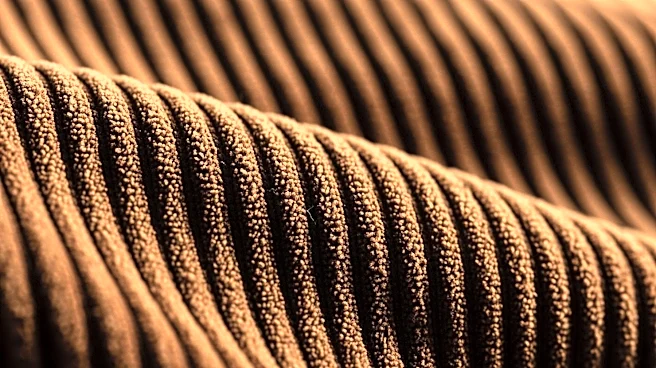
distinct pattern. This construction is similar to twill, resulting in the characteristic cords that define corduroy. The fabric is essentially a ridged form of velvet, with tufted cords that sometimes exhibit a channel between them, revealing the base fabric.
The texture of corduroy is not only visually appealing but also contributes to its durability. The ridged pattern provides strength, making corduroy suitable for various uses, including clothing and upholstery. Its ability to withstand wear and tear has made it a popular choice for constructing trousers, jackets, and shirts.
Wale Count and Variations
A key feature of corduroy is its wale count, which refers to the number of ridges per inch. The wale count can vary significantly, ranging from 1.5 to 21. The lower the wale number, the thicker the width of the wale. For instance, a 4-wale corduroy is much thicker than an 11-wale corduroy.
Wide wale corduroy is commonly used in trousers and furniture upholstery, while medium, narrow, and fine wale fabrics are typically found in garments worn above the waist. This variation in wale count allows corduroy to be tailored for different applications, catering to diverse fashion and functional needs.
Types and Modern Usage
Corduroy is available in various types, each offering unique characteristics. Standard wale corduroy, with 11 wales per inch, is available in many colors, providing versatility in fashion. Pincord, also known as pinwale or needlecord, is the finest cord, with a count at the upper end of the spectrum, above 16.
Pigment dyed or printed corduroy adds another layer of uniqueness, as the fabric is colored or printed with pigment dyes. This process creates garments with subtle color variations, giving each piece a vintage look. The color becomes softer with each washing, ensuring that no two garments are exactly alike.
Corduroy's unique characteristics, from its construction to its variations, make it a fabric that continues to be appreciated for its style and functionality. Its ability to adapt to different uses and preferences ensures its place in both fashion and everyday life.