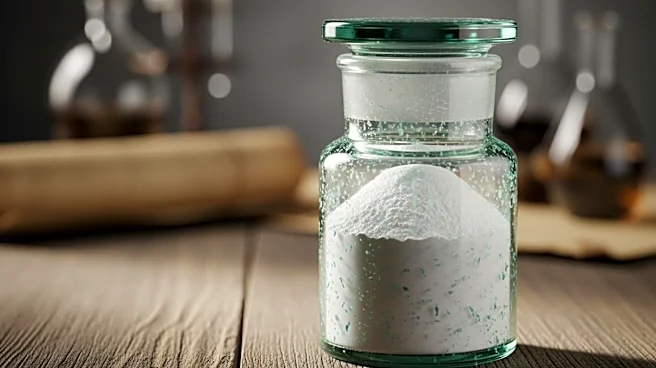






Sodium bicarbonate, known to many as baking soda, has a rich history that dates back centuries. Its journey from a simple chemical compound to a household staple is marked by significant milestones and developments. This article explores the historical evolution of sodium bicarbonate, highlighting its discovery, production, and widespread use.
Early Discovery and Use
The history of sodium bicarbonate begins with its natural mineral form, nahcolite. This mineral was used in ancient
times for various purposes, including cleaning and preservation. The word "natron," which refers to a mixture of sodium carbonate and sodium bicarbonate, has been in use since ancient Egyptian times. It was employed in the mummification process due to its dehydrating properties.
In 1791, French chemist Nicolas Leblanc produced sodium carbonate, also known as soda ash, which paved the way for the discovery of sodium bicarbonate. The compound was first identified by pharmacist Valentin Rose the Younger in 1801 in Berlin. This discovery marked the beginning of sodium bicarbonate's journey into the culinary and industrial worlds.
Industrial Production and Expansion
The industrial production of sodium bicarbonate began in the United States in 1846 when John Dwight and Austin Church established the first factory to produce baking soda from sodium carbonate and carbon dioxide. This marked a significant turning point, as baking soda became more accessible to the public.
The Church & Dwight Company, known for its Arm & Hammer brand, played a crucial role in popularizing baking soda. The brand's logo, depicting a muscular arm holding a hammer, became synonymous with purity and quality. Over time, the company expanded its product line to include other baking soda-based products, such as toothpaste and laundry detergent.
Cultural Impact and Modern Uses
Sodium bicarbonate's cultural impact is evident in its widespread use in households around the world. In 1972, Arm & Hammer launched a successful advertising campaign promoting the use of baking soda to control odors in refrigerators. This campaign led to more than half of American refrigerators containing a box of baking soda within a year.
Today, sodium bicarbonate is used in a variety of applications, from cooking and cleaning to medical and agricultural uses. Its versatility and effectiveness have made it a staple in homes and industries alike. The historical journey of sodium bicarbonate reflects its enduring significance and adaptability in meeting the needs of modern society.