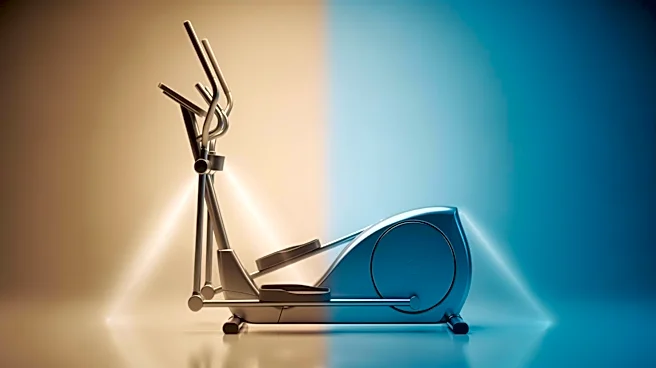








Elliptical trainers have become a staple in gyms and homes across the world, offering a low-impact cardiovascular workout. These machines have evolved significantly since their introduction in the 1990s, with advancements in design and technology enhancing their functionality and user experience. This article delves into the history and development of elliptical trainers, highlighting key milestones and innovations that have shaped their evolution.
The Birth of the Elliptical Trainer
Elliptical trainers first entered the market in the 1990s, thanks to the innovation of Precor. The company introduced the Elliptical Fitness Crosstrainer (EFX) in 1995, which was the first piece of exercise equipment to allow the foot to roll from heel to toe, mimicking the natural motion of running. This design was revolutionary as it provided a smooth, elliptical movement that was key to foot comfort and reduced the numbing of the foot often experienced on other stationary cardio equipment.
The introduction of the EFX marked a significant advancement in exercise technology. It combined a rear flywheel with a forward foot pedal, creating a unique elliptical path that minimized stress on the joints. This low-impact design made elliptical trainers an attractive option for individuals with joint concerns or those recovering from injuries, as it allowed them to maintain fitness without the risk of impact injuries.
Technological Advancements and Variations
Over the years, elliptical trainers have seen numerous technological advancements. Modern machines often feature electronic consoles that provide users with a variety of workout programs and resistance levels. These features allow users to customize their workouts to match their fitness goals, whether they are looking for a light cardio session or a high-intensity workout.
Elliptical trainers have also diversified in design. There are three main types of elliptical trainers categorized by the location of the motor or "drive": rear-drive, front-drive, and center-drive. Each design offers different benefits, such as varying levels of stability and stride length, catering to different user preferences and needs.
The Impact of Elliptical Trainers on Fitness
Elliptical trainers have had a significant impact on the fitness industry. They offer a full-body workout by engaging both the upper and lower body, making them a versatile piece of equipment. The ability to adjust incline and resistance allows users to target specific muscle groups, enhancing the effectiveness of their workouts.
Studies have shown that elliptical trainers provide a workout comparable to treadmills in terms of exertion on leg muscles and the cardiovascular system. This makes them an excellent alternative for those seeking a low-impact exercise option. As technology continues to advance, elliptical trainers are likely to become even more sophisticated, offering users an increasingly personalized and effective workout experience.