






On May 19, 1780, the residents of New England and parts of eastern Canada experienced an unusual darkening of the daytime sky, known as New England's Dark Day. This event required candles to be lit from noon onwards and lasted until the middle of the next night. The primary cause of the darkness was a combination of smoke from forest fires, thick fog, and cloud cover. This article delves into the scientific explanations and evidence behind this mysterious
phenomenon.
The Role of Forest Fires
The most likely cause of New England's Dark Day was smoke from extensive forest fires. Researchers have found evidence of a fire in 1780 by examining tree rings and fire scars in trees in the area now known as Algonquin Provincial Park in Ontario, Canada. These findings suggest that the smoke from these fires contributed significantly to the darkness experienced on that day.
When a fire does not kill a tree and the tree later grows, scar marks are left in the growth rings. This makes it possible to approximate the date of a past fire, providing valuable insights into historical events like the Dark Day. The presence of soot in rivers and rainwater further supports the theory that smoke played a major role in the event.
Atmospheric Conditions
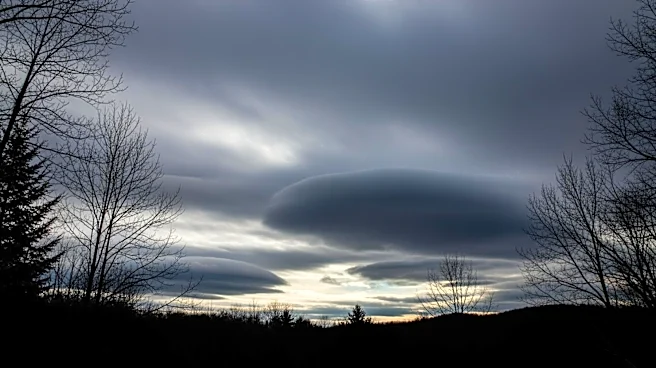
In addition to the smoke from forest fires, the presence of thick fog and cloud cover further obscured the sun's rays, creating an atmosphere of complete darkness. For several days before the Dark Day, the sun appeared red, and the sky appeared yellow, indicating the presence of smoke and atmospheric particles.
Contemporaneous reports also indicated that ash and cinders fell on parts of New Hampshire to a depth of six inches, further supporting the idea that atmospheric conditions contributed to the darkness. The combination of these factors created a unique and eerie environment that left a lasting impression on those who experienced it.
Scientific Legacy
The scientific investigation of New England's Dark Day has provided valuable insights into the impact of natural phenomena on human societies. By examining tree rings, atmospheric conditions, and historical records, researchers have been able to piece together the causes and effects of this mysterious event.
Today, New England's Dark Day serves as a reminder of the power of nature and the ways in which it can shape human history. The event continues to be studied and discussed, offering lessons in the importance of scientific inquiry and the need to understand the natural world.