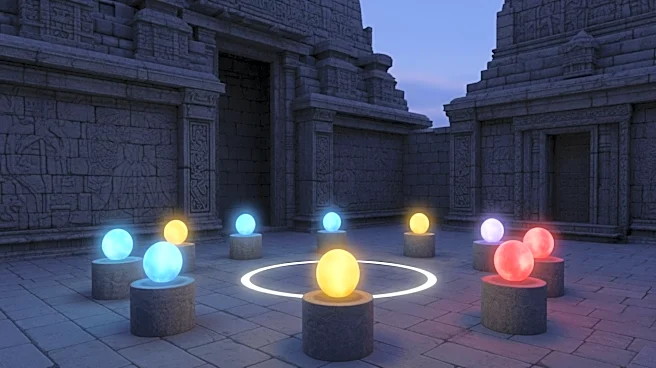









Navagraha temples are dedicated to the worship of the nine celestial bodies in Hindu astrology, known as the Navagraha. These temples are significant cultural and religious sites, where devotees seek the blessings of the planets to mitigate their negative influences and enhance positive outcomes in their lives. The Navagraha temples are scattered across India, each dedicated to one of the nine planets, and they hold a special place in the spiritual
practices of Hinduism.
The Legend Behind Navagraha Temples
The origin of Navagraha temples is steeped in Hindu mythology. According to legend, Sage Kalava was suffering from serious ailments, including leprosy. He prayed to the Navagrahas, the nine planet deities, who were pleased by his devotion and offered him a cure. However, Brahma, the Hindu god of creation, was angered by this act, as he believed the planets had no power to grant boons to humans. In his wrath, Brahma cursed the nine planets to suffer from leprosy and sent them to Earth.
The planets prayed to Shiva to relieve them of the curse, and Shiva appeared to them, granting them a place on Earth where they would be worshipped by devotees. This place is known as Vellerukku Vanam, the white wild flower jungle, which is now the site of the Suryanar Kovil temple. Each Navagraha temple is located in a different village, and while eight of these temples are dedicated to Shiva, the Surya temple is solely dedicated to the Sun-God and the other Navagrahas.
Architectural and Cultural Significance
Navagraha temples are not only places of worship but also architectural marvels. Many of these temples were constructed during the Chola dynasty, reflecting the rich cultural heritage and artistic excellence of the period. The temples are made of stone and often feature intricate carvings and sculptures that depict the deities and celestial bodies. The design and layout of these temples are intended to create a spiritual ambiance that enhances the devotional experience.
In Tamil Nadu, the Navagraha temples are situated in the vicinity of Mayiladuthurai and Kumbakonam, each representing an abode of one of the Navagrahas. The temples are a testament to the enduring belief in the planets' influence and the cultural importance of astrology in Hinduism. Devotees visit these temples to perform rituals and offer prayers, seeking protection and guidance from the celestial forces.
Navagraha Temples Across India
While Tamil Nadu is renowned for its Navagraha temples, similar temples can be found in other parts of India, each with its unique history and significance. In Assam, the Navagraha Temple is located on the top of Chitrasal Hill in Guwahati, built by Ahom king Swargadeo Rajeswar Singha. This temple features nine Shivalingams representing the nine celestial bodies, each covered with a colored garment symbolic of the planets.
In Maharashtra, the Shri Anna Ganapati Navgraha Siddhapeetham in Nasik is a prominent site where all Navagraha reside in nine temples with their wives. These temples are integral to the spiritual landscape of India, offering a place for devotees to connect with the divine and seek solace in the cosmic order.
Navagraha temples continue to be vital centers of worship and cultural heritage, reflecting the deep-rooted belief in the celestial influences that shape human destiny. As sacred sites, they offer a glimpse into the spiritual traditions and practices that have been passed down through generations, preserving the legacy of Hindu astrology.