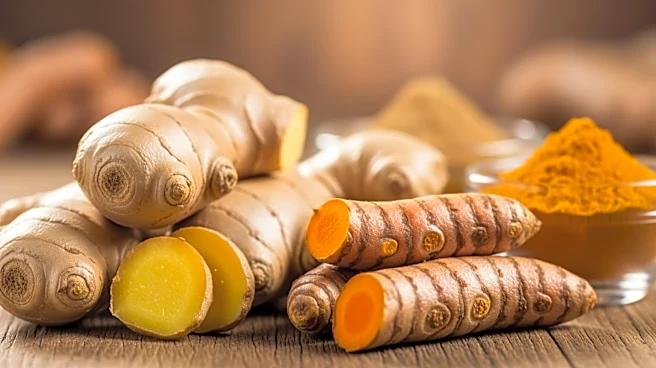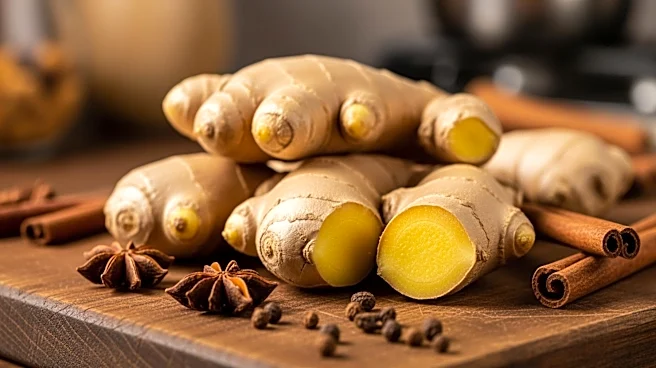

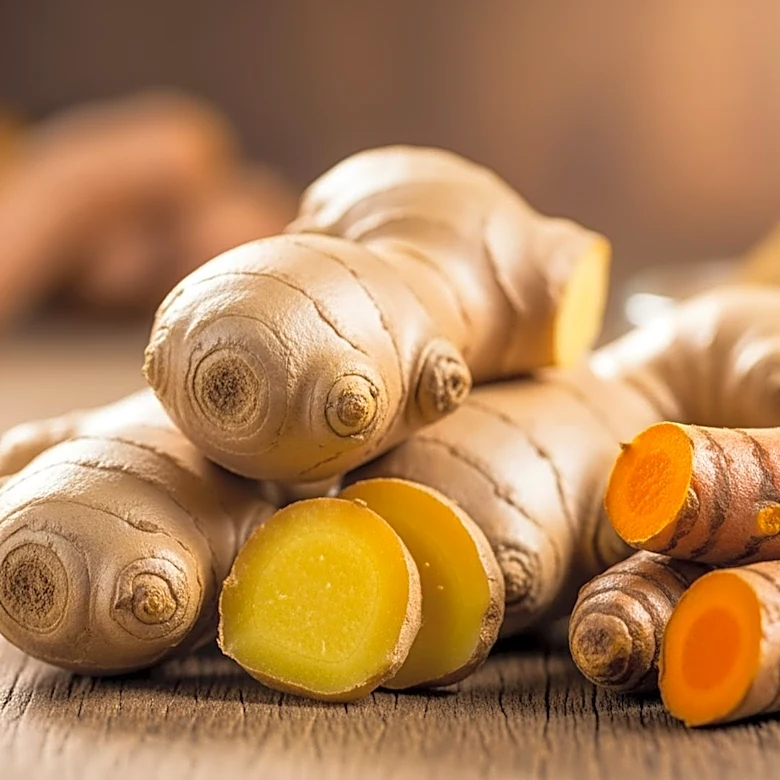



Ginger, a member of the Zingiberaceae family, is renowned for its culinary versatility. This flowering plant, particularly its rhizome, is a staple in kitchens worldwide. Originating from regions like China, the Indian subcontinent, and Southeast Asia, ginger has found its way into a myriad of dishes, each culture adding its unique twist. This article delves into the various culinary uses of ginger, highlighting its global appeal and significance.
Ginger in Asian Cuisine
In Asian cuisine, ginger is a fundamental ingredient, often used to enhance the flavor of dishes. In China, ginger is frequently paired with garlic and scallions to create a base for stir-fries and soups. Its warm, spicy flavor complements the umami of soy sauce and the sweetness of hoisin, making it indispensable in Chinese cooking. Similarly, in India, ginger is a key component of masalas and curries. It is often combined with other spices like turmeric and cardamom, which, although not true gingers, belong to the same family. These spices together create the rich, aromatic profiles characteristic of Indian cuisine.
In Japan, a different species of ginger, Zingiber mioga, is prized for its edible flowers and stems. Myoga is used to garnish dishes, adding a subtle ginger flavor without overpowering the other ingredients. This highlights the adaptability of ginger, as different parts of the plant are utilized in various culinary traditions.
Ginger in Western Cooking
Ginger's influence extends beyond Asia, finding a place in Western kitchens as well. In the West, ginger is often used in baking, where its spicy warmth enhances the sweetness of desserts. Gingerbread, ginger snaps, and ginger cake are popular treats, especially during the holiday season. The rhizome can be used fresh, dried, or powdered, each form offering a different intensity of flavor.
Candied ginger, also known as crystallized ginger, is another popular form. It is made by cooking ginger in sugar syrup and then drying it, resulting in a sweet, spicy snack that can be eaten on its own or used in baking. This versatility makes ginger a beloved ingredient in both sweet and savory dishes.
The Global Appeal of Ginger
Ginger's global appeal lies in its ability to adapt to various culinary contexts. Whether used to add heat to a savory dish or warmth to a sweet treat, ginger's unique flavor profile is cherished worldwide. Its journey from the fields of Southeast Asia to kitchens around the globe is a testament to its enduring popularity and versatility.
As cultures continue to exchange culinary traditions, ginger remains a constant, bridging flavors and enhancing dishes with its distinctive taste. Its role in global cuisine is a reflection of its adaptability and the universal love for its spicy, aromatic qualities.