






The American Football League (AFL) was not only a competitor to the National Football League (NFL) but also a pioneer in sports broadcasting. During its five-year contract with the American Broadcasting Company (ABC) from 1960 to 1964, the AFL introduced several innovations that transformed the way football was presented on television. These changes enhanced the viewing experience and set new standards for sports broadcasts.
Introducing Dynamic Camera Work
One of the most significant
innovations brought about by the AFL-ABC partnership was the introduction of moving, on-field cameras. Prior to this, football broadcasts primarily relied on fixed midfield cameras, which limited the angles and perspectives available to viewers. The AFL's use of mobile cameras allowed for more dynamic and engaging coverage, capturing the action from various angles and providing a more immersive experience for fans.
This approach not only improved the visual appeal of the broadcasts but also helped viewers follow the game more closely. The ability to capture close-up shots and different perspectives made the broadcasts more exciting and informative, setting a new standard for how football games were televised.
Enhancing Player Visibility and Engagement
In addition to innovative camera work, the AFL was the first league to have players "miked" during games. This allowed viewers to hear the sounds of the game, including player interactions and on-field communication, adding a new layer of engagement to the broadcasts. This innovation provided fans with a unique insight into the game, making them feel closer to the action.
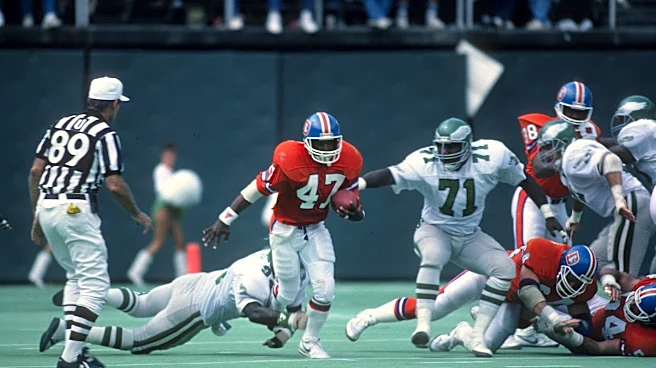
Furthermore, the AFL introduced the practice of having players' names stitched on their jerseys. This simple yet effective change made it easier for both television viewers and stadium attendees to identify players. It enhanced the overall viewing experience by allowing fans to connect more personally with the athletes on the field.
Lasting Impact on Sports Broadcasting
The innovations introduced by the AFL during its contract with ABC had a lasting impact on sports broadcasting. These changes not only improved the quality of football broadcasts but also influenced how other sports were televised. The use of moving cameras and miked players became standard practices in sports broadcasting, enhancing the way fans experienced live events.
The AFL's willingness to embrace new technologies and ideas helped it stand out in the competitive world of professional football. By prioritizing the viewer experience and pushing the boundaries of traditional broadcasting, the AFL set a precedent for future innovations in sports media. The league's partnership with ABC was a testament to the power of innovation in shaping the future of sports broadcasting.