



Tire pressure monitoring systems (TPMS) have become an essential component in modern vehicles, ensuring safety and efficiency by providing real-time information about tire pressure. The development of TPMS technology has evolved significantly over the years, driven by the need to prevent accidents and improve fuel economy. This article explores the historical milestones and technological advancements that have shaped TPMS into the sophisticated systems we
rely on today.
Early Adoption and Technological Beginnings
The concept of tire pressure monitoring began in the 1980s, primarily as an optional feature in luxury vehicles in Europe. The first passenger vehicle to adopt TPMS was the Porsche 959 in 1986, utilizing a hollow spoke wheel system developed by PSK. This marked the beginning of TPMS technology, which aimed to enhance vehicle safety by alerting drivers to under-inflated tires.
In the United States, General Motors introduced TPMS for the 1991 model year Corvette, in conjunction with Goodyear run-flat tires. This system used sensors in the wheels to display tire pressure at any wheel, providing warnings for both high and low pressure. The technology quickly gained traction, leading to its standardization in Corvettes and influencing other manufacturers to adopt similar systems.
Legislative Impact and Mass Adoption
The late 1990s saw a significant push for TPMS technology following the Firestone tire recall, which was linked to numerous accidents due to tire tread separation. This led to the United States Congress passing the TREAD Act in 2000, mandating TPMS in all light motor vehicles to alert drivers of under-inflation events. The act required TPMS technology in vehicles sold after September 1, 2007, with a phase-in starting in 2005.
Globally, TPMS mandates continued to proliferate, with countries like Russia, the EU, Japan, and South Korea implementing similar regulations. By November 2014, TPMS became mandatory for new vehicles in the European Union, further solidifying its role in vehicle safety standards worldwide.
Technological Advancements and Future Directions
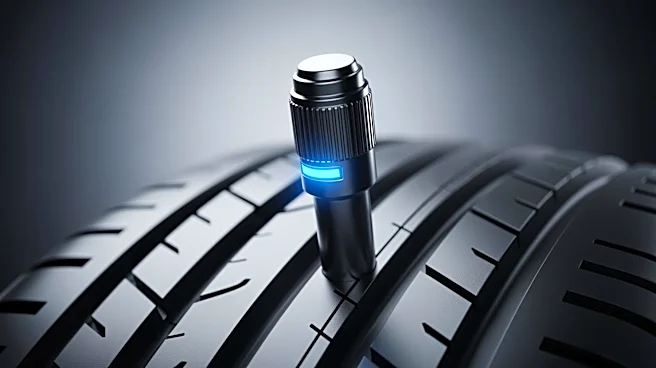
TPMS technology has evolved from simple pressure sensors to sophisticated systems capable of real-time monitoring and data transmission. Direct TPMS (dTPMS) uses hardware sensors to measure tire pressure, while indirect TPMS (iTPMS) employs software-based systems to estimate pressure using existing sensor signals.
The introduction of smart gauges equipped with Bluetooth technology has further enhanced TPMS capabilities, allowing users to monitor tire pressure through mobile apps. As technology continues to advance, TPMS systems are expected to become even more integrated into intelligent transportation systems, contributing to safer and more efficient driving experiences.