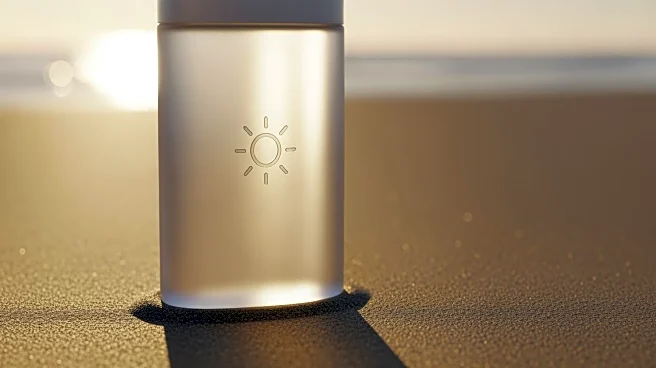




Sun protection factor, commonly known as SPF, is a crucial measure in the world of skincare, particularly when it comes to protecting against the harmful effects of the sun. SPF is a term often seen on sunscreen bottles, but what does it really mean? This article delves into the concept of SPF, explaining its significance and how it functions to shield the skin from UVB rays.
What is SPF?
SPF stands for Sun Protection Factor, a measure of how well a sunscreen can
protect the skin from UVB rays, the kind of radiation that causes sunburn and contributes to skin cancer. The SPF number indicates how long it would take for the sun's UVB rays to redden the skin when using the product as directed compared to the time without any sunscreen. For instance, an SPF 30 means it would take 30 times longer for the skin to burn than if no sunscreen were applied.
The effectiveness of SPF is not linear. An SPF 15 blocks about 93% of UVB rays, while SPF 30 blocks 97%, and SPF 50 blocks 98%. This means that while higher SPF numbers do offer more protection, the increase in protection is not as significant as the numbers might suggest. It's important to apply sunscreen generously and reapply every two hours, or more often if swimming or sweating.
How SPF Works
SPF works by absorbing, reflecting, or scattering sunlight. Sunscreens contain active ingredients that help prevent the sun's UV radiation from reaching the skin. There are two types of UV radiation: UVA and UVB. While SPF is primarily a measure of UVB protection, many sunscreens also offer UVA protection, which is crucial for preventing long-term skin damage and aging.
The active ingredients in sunscreens can be either chemical or physical. Chemical ingredients, like oxybenzone and avobenzone, absorb UV radiation and convert it into heat, which is then released from the skin. Physical ingredients, such as zinc oxide and titanium dioxide, act as a barrier that reflects UV radiation away from the skin.
Choosing the Right SPF
When selecting a sunscreen, it's important to consider your skin type, the intensity of sun exposure, and the duration of time spent outdoors. For everyday use, an SPF of 15 or 30 is generally sufficient. However, for extended outdoor activities, a higher SPF is recommended.
It's also essential to look for a broad-spectrum sunscreen, which means it protects against both UVA and UVB rays. This ensures comprehensive protection against sunburn and long-term skin damage. Remember, no sunscreen can block 100% of UV rays, so it's important to complement sunscreen use with other protective measures like wearing hats and seeking shade.