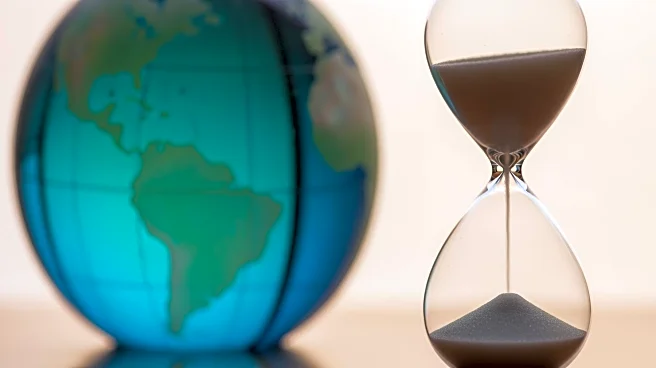




Global warming potential (GWP) is a measure that helps us understand the impact of different greenhouse gases on climate change. One of the key factors influencing GWP is the time scale over which it is calculated. This article explores how the time scale affects GWP and why it is important in climate science.
Short-Term vs. Long-Term GWP
The GWP of a greenhouse gas can vary significantly depending on the time scale considered. Short-lived gases, like methane, have a high GWP over
a 20-year period because they trap a lot of heat in the short term. Methane, for example, has a GWP of 81.2 over 20 years, making it a potent greenhouse gas in the short term.
However, as the time scale extends to 100 years, the GWP of methane decreases to 27.9. This reduction occurs because methane breaks down into water and CO2 over time, reducing its impact on global warming. In contrast, gases with longer atmospheric lifetimes, such as sulfur hexafluoride, maintain a high GWP over longer periods.
Importance of Time Scale in Policy Making
The choice of time scale is crucial in climate policy and decision-making. Most international agreements, like the Kigali Amendment to the Montreal Protocol, use the 100-year GWP as a standard. This long-term perspective helps ensure that policies address the sustained impact of greenhouse gases on climate change.
However, some regions, like New York State, have opted for a 20-year GWP standard to address immediate climate concerns. This approach highlights the importance of considering both short-term and long-term impacts when developing climate strategies. By understanding the time scale's role in GWP, policymakers can make informed decisions that balance immediate needs with long-term goals.
Challenges in GWP Calculation
Calculating GWP involves several challenges, particularly in determining the atmospheric lifetime of gases and their radiative forcing. These factors can vary, leading to uncertainties in GWP values. As a result, it is essential to reference the specific calculation used when quoting GWP values.
Despite these challenges, GWP remains a valuable tool for comparing the climate impact of different gases. By providing a common scale, it allows scientists and policymakers to assess the relative importance of various greenhouse gases and prioritize actions to reduce emissions.
In summary, the time scale is a critical factor in determining the GWP of greenhouse gases. Understanding its role helps ensure that climate policies are effective in addressing both short-term and long-term impacts on global warming.