






Israeli cuisine has undergone significant evolution over the years, shaped by historical events, waves of immigration, and cultural exchanges. From its early days as a nascent state to its current status as a culinary destination, the food of Israel reflects a dynamic blend of influences and traditions. This article explores the historical development of Israeli cuisine, highlighting key milestones and the diverse culinary influences that have contributed
to its evolution.
Early Influences and the Birth of Israeli Cuisine
The foundation of Israeli cuisine was laid in the early 20th century, with the arrival of Jewish immigrants from Europe and the Middle East. These immigrants brought with them a variety of culinary traditions, which began to merge with local ingredients and cooking methods. The establishment of the State of Israel in 1948 marked a turning point, as Jews from North Africa, the Middle East, and Europe continued to arrive, each contributing their unique flavors and dishes to the emerging Israeli cuisine.
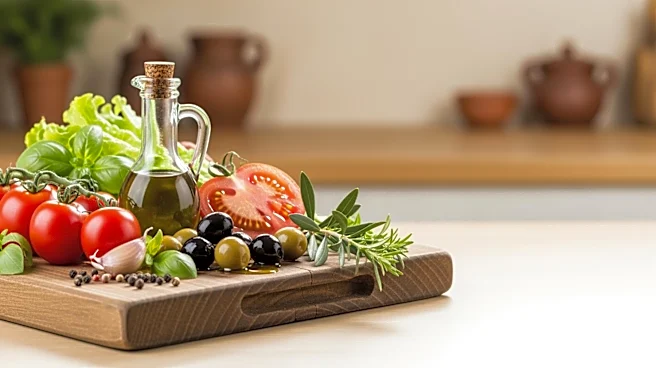
The early years of Israeli statehood were characterized by a focus on agricultural development and self-sufficiency. This emphasis on local produce, such as olives, citrus fruits, and vegetables, became a defining feature of Israeli cuisine. The communal dining practices of kibbutzim also played a role in shaping the country's culinary landscape, with meals centered around fresh, locally sourced ingredients.
The Impact of Immigration and Cultural Exchange
Immigration has been a driving force in the evolution of Israeli cuisine. Each wave of immigrants brought new culinary traditions, enriching the country's food culture. The arrival of Jews from North Africa and the Middle East introduced spices, herbs, and cooking techniques that were previously unfamiliar to many Israelis. Dishes like shakshuka, couscous, and various types of salads became staples of the Israeli diet.
The influence of Palestinian and other Arab cuisines is also evident in Israeli food. Dishes such as hummus, falafel, and baba ghanoush, which have roots in Palestinian and broader Middle Eastern cuisine, have been embraced and adapted by Israelis. This blending of culinary traditions has created a unique food culture that is both diverse and dynamic.
Modern Israeli Cuisine: A Fusion of Flavors
In recent years, Israeli cuisine has gained international recognition for its innovative and diverse offerings. Chefs in Israel are known for their creative use of traditional ingredients and techniques, resulting in a fusion of flavors that reflects the country's multicultural heritage. The rise of Israeli cuisine on the global stage has been fueled by a growing interest in Middle Eastern flavors and the increasing popularity of Israeli chefs and restaurants worldwide.
Modern Israeli cuisine is characterized by a focus on fresh, seasonal ingredients and a commitment to sustainability. This approach is evident in the popularity of farm-to-table dining and the emphasis on locally sourced produce. The cuisine continues to evolve, with chefs experimenting with new flavors and techniques while staying true to the rich culinary traditions that have shaped Israeli food.
In conclusion, the evolution of Israeli cuisine is a testament to the country's diverse cultural heritage and its ability to adapt and innovate. From its early days as a melting pot of immigrant traditions to its current status as a culinary powerhouse, Israeli cuisine reflects the dynamic and ever-changing nature of the country itself. As Israeli chefs continue to push the boundaries of culinary creativity, the future of Israeli cuisine looks bright and full of exciting possibilities.