









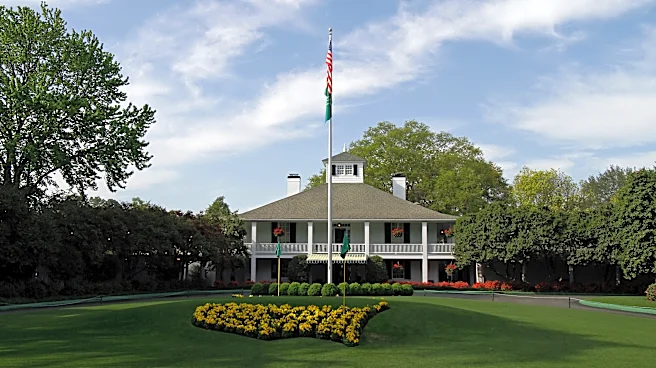
The 1936 Masters Tournament marked a significant moment in golf history, as Horton Smith emerged victorious, becoming the second winner of this prestigious event. Smith's triumph was not just a personal achievement but also a milestone in the early years of the Masters Tournament. This article delves into Smith's victory, his career, and the impact of his win on the golfing world.
Horton Smith's Path to Victory
Horton Smith's victory at the 1936 Masters Tournament was a testament
to his skill and determination. The tournament, which was the third edition of the Masters, saw Smith defeating Harry Cooper by a narrow margin of one stroke. This win was particularly significant as it solidified Smith's reputation as a formidable golfer, having already won the inaugural Masters Tournament in 1934.
Smith's performance in the 1936 Masters was characterized by his ability to maintain composure under pressure. Despite facing stiff competition, he managed to secure the win with a final score of 285, just one stroke ahead of Cooper. This victory not only highlighted Smith's prowess on the golf course but also underscored his consistency as a top player during that era.
The Early Years of the Masters Tournament
The Masters Tournament, established in 1934, quickly became one of the most prestigious events in the golfing calendar. Horton Smith's victories in 1934 and 1936 played a crucial role in elevating the tournament's status. As the second winner of the Masters, Smith helped to establish the tournament's reputation for attracting top talent and producing memorable moments.
The 1936 edition of the Masters was particularly notable as it was the first to conclude on a Monday due to rain delays. This added an element of unpredictability to the event, further testing the resilience and adaptability of the players. Smith's ability to navigate these challenges and emerge victorious demonstrated his exceptional skill and mental fortitude.
Horton Smith's Legacy in Golf
Horton Smith's impact on the world of golf extends beyond his victories at the Masters. Throughout his career, he accumulated 30 PGA Tour titles, making him one of the leading players of his time. His success on the tour, coupled with his role in the early years of the Masters, cemented his legacy as a pioneer in professional golf.
Smith's contributions to the sport were not limited to his achievements on the course. He also served as the president of the PGA of America from 1952 to 1954, during which he played a role in shaping the future of professional golf. His leadership and dedication to the sport have left a lasting impact, inspiring future generations of golfers to pursue excellence.
In conclusion, Horton Smith's victory at the 1936 Masters Tournament was a defining moment in his career and in the history of the event. His achievements continue to be celebrated, highlighting his enduring influence on the game of golf.