
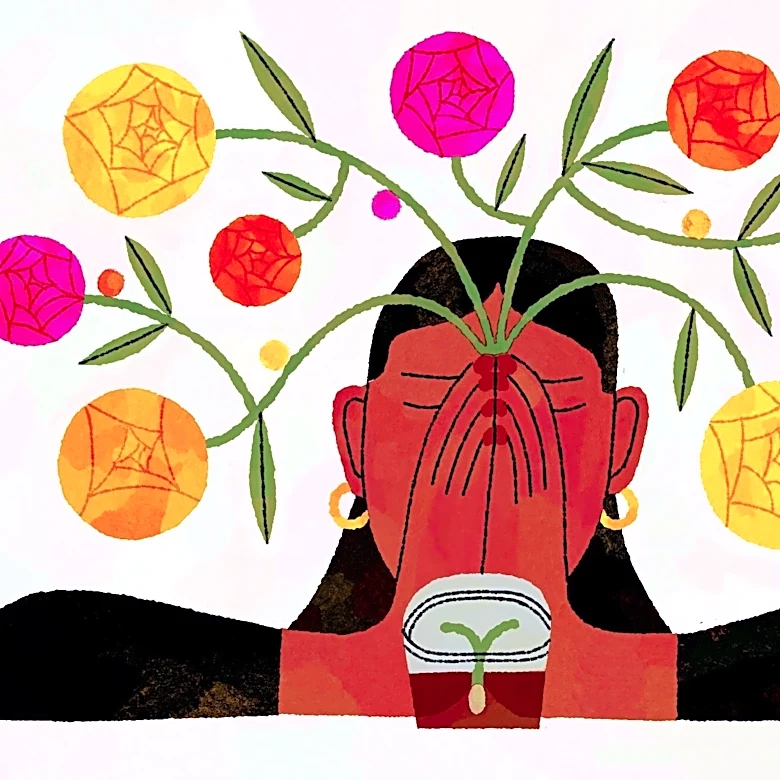







Trichotillomania, a disorder characterized by compulsive hair pulling, can have profound psychological and social effects on those who suffer from it. The condition often leads to visible hair loss, which can cause embarrassment and social anxiety. Individuals with trichotillomania may experience low self-esteem and a negative body image, further exacerbating their emotional distress.
Emotional Challenges
The emotional impact of trichotillomania can be significant. Many
individuals with the disorder report feelings of shame and guilt associated with their hair-pulling behavior. This can lead to a cycle of negative emotions, where the distress caused by hair pulling results in increased anxiety, which in turn triggers more hair pulling.
Trichotillomania is often associated with other mental health conditions, such as anxiety disorders, depression, and obsessive-compulsive disorder. The presence of these comorbid conditions can complicate the emotional landscape for individuals with trichotillomania, making it more challenging to manage their symptoms and seek help.
Social Implications
The social implications of trichotillomania can be equally challenging. Individuals with the disorder may go to great lengths to hide their hair loss, using wigs, hats, or makeup to cover bald spots. This can lead to social withdrawal and isolation, as they may avoid situations where their hair loss could be noticed.
The fear of being judged or misunderstood by others can prevent individuals with trichotillomania from seeking support or treatment. This isolation can further exacerbate feelings of loneliness and depression, creating a vicious cycle that is difficult to break. Support groups and online communities can provide a safe space for individuals with trichotillomania to connect with others who understand their experiences and offer encouragement.
Coping Strategies
Developing effective coping strategies is crucial for individuals with trichotillomania to manage the psychological and social challenges they face. Cognitive behavioral therapy (CBT) is a widely used treatment that helps individuals identify and change negative thought patterns and behaviors. Habit reversal training, a component of CBT, teaches individuals to recognize their hair-pulling urges and replace them with healthier behaviors.
In addition to therapy, building a strong support network can be invaluable. Friends, family, and support groups can provide understanding and encouragement, helping individuals with trichotillomania feel less alone in their struggles. By addressing both the emotional and social aspects of the disorder, individuals with trichotillomania can work towards a more positive and fulfilling life.