



Jerusalem stands as a pivotal city in Israel's tourism landscape, drawing millions of visitors each year. Known for its profound historical and religious significance, Jerusalem is a city that captivates tourists from around the globe. As the proclaimed capital of Israel, it is a focal point for the three major Abrahamic religions—Judaism, Christianity, and Islam—making it a unique destination for religious and cultural tourism.
Historical and Religious Significance
Jerusalem is one of
the oldest cities in the world, with a rich tapestry of history that attracts tourists interested in exploring its ancient past. The city is home to numerous historical and archaeological sites, including the Western Wall, the Church of the Holy Sepulchre, and the Dome of the Rock. These sites are not only significant to their respective religions but also serve as a testament to the city's diverse cultural heritage.
The Western Wall, a remnant of the Second Temple, is a sacred site for Jews worldwide. It is a place of prayer and pilgrimage, drawing Jewish visitors who wish to connect with their heritage. Similarly, the Church of the Holy Sepulchre is a major pilgrimage site for Christians, believed to be the location of Jesus' crucifixion and resurrection. The Dome of the Rock, an iconic Islamic shrine, is revered by Muslims as the site where the Prophet Muhammad ascended to heaven.
Cultural Attractions and Museums
Beyond its religious sites, Jerusalem offers a wealth of cultural attractions that enhance its appeal to tourists. The Israel Museum, for instance, is a leading cultural institution that houses an extensive collection of art and artifacts, including the Dead Sea Scrolls. Yad Vashem, the World Holocaust Remembrance Center, provides a poignant exploration of the Holocaust, drawing visitors interested in history and human rights.
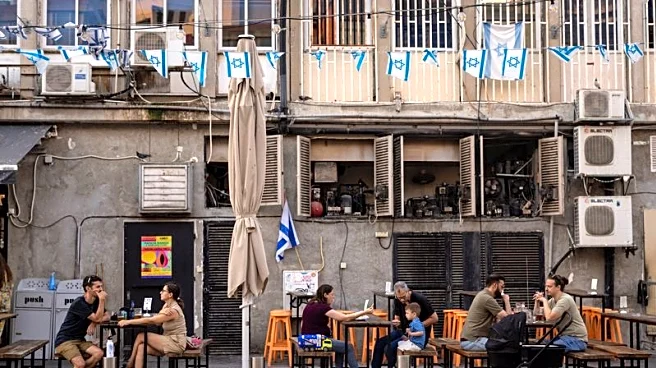
The city's vibrant cultural scene is further enriched by its diverse neighborhoods, each offering a unique glimpse into the lives of its residents. From the bustling markets of the Old City to the modern cafes and galleries of West Jerusalem, tourists can experience a blend of the old and new, making Jerusalem a dynamic and multifaceted destination.
Challenges and Opportunities
While Jerusalem's status as a tourist hub is well-established, it faces challenges related to its political and territorial disputes. The controversial status of East Jerusalem, considered occupied territory by the international community, complicates marketing efforts and affects tourism dynamics. Despite these challenges, the city's tourism industry continues to thrive, supported by government initiatives and a steady influx of visitors.
In conclusion, Jerusalem's role in Israel's tourism industry is indispensable. Its historical, religious, and cultural significance makes it a must-visit destination for travelers seeking a deeper understanding of the region's rich heritage. As tourism continues to evolve, Jerusalem remains a beacon of history and spirituality, drawing visitors from all corners of the globe.