


Apollo 9 was a pivotal mission in NASA's Apollo program, marking a significant step toward the eventual lunar landing. The mission's final days, from March 8 to March 13, 1969, were crucial in testing the spacecraft's capabilities and ensuring the success of future missions. This article delves into the activities and achievements of Apollo 9 during its concluding days, highlighting the mission's impact on the Apollo program.
Testing the Lunar Module
During the final days
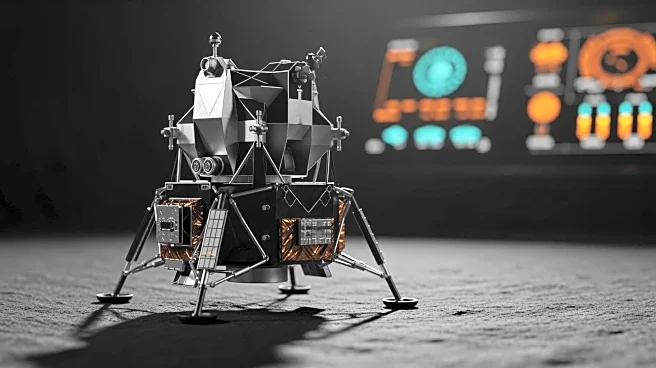
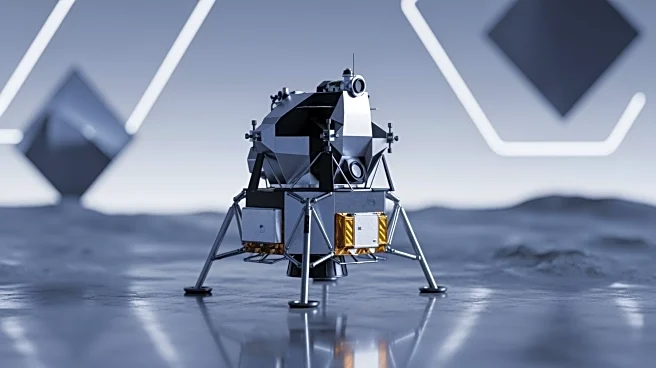
of Apollo 9, the crew focused on extensive testing of the Lunar Module (LM), a critical component for the upcoming lunar landings. The LM, named Spider, was designed to transport astronauts from lunar orbit to the Moon's surface and back. The crew, consisting of Commander James McDivitt, Command Module Pilot David Scott, and Lunar Module Pilot Rusty Schweickart, conducted a series of maneuvers to evaluate the LM's performance.
One of the key objectives was to test the LM's descent and ascent propulsion systems. The crew successfully demonstrated that the LM could operate independently and rendezvous with the Command and Service Module (CSM), named Gumdrop. These tests were vital in proving the LM's capability to perform the complex maneuvers required for a lunar landing.
Docking Maneuvers and Spacewalks
Apollo 9 also included important docking maneuvers, which were essential for the success of future lunar missions. The crew performed the first docking and extraction of the LM, followed by a second docking of two crewed spacecraft. These maneuvers were crucial in ensuring that the LM could safely transport astronauts to and from the lunar surface.
In addition to docking tests, the mission featured a spacewalk, or extravehicular activity (EVA), conducted by Schweickart. During the EVA, Schweickart tested the Portable Life Support System (PLSS), which would be used by astronauts on the lunar surface. This test was critical in verifying the functionality of the life support system, ensuring that astronauts could safely explore the Moon.
Splashdown and Legacy
Apollo 9 concluded with a successful splashdown in the Atlantic Ocean on March 13, 1969. The mission was a complete success, achieving all its objectives and proving the LM's readiness for future lunar missions. Apollo 9's achievements set the stage for Apollo 10's dress rehearsal and the historic Apollo 11 lunar landing.
The mission's success demonstrated the effectiveness of the LM and the feasibility of the lunar orbit rendezvous technique. Apollo 9's accomplishments were instrumental in advancing the Apollo program, bringing humanity one step closer to landing on the Moon. The mission's legacy continues to inspire future generations of space explorers, showcasing the power of human ingenuity and determination.