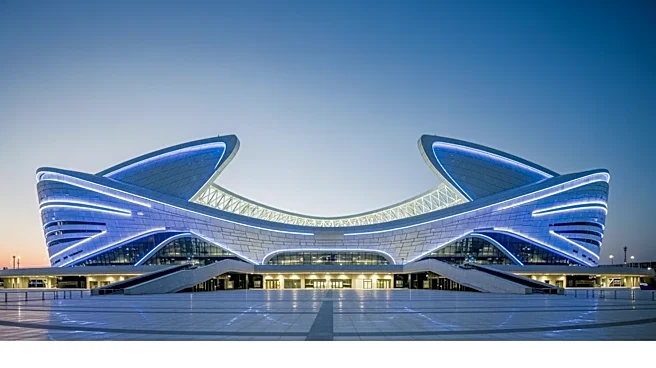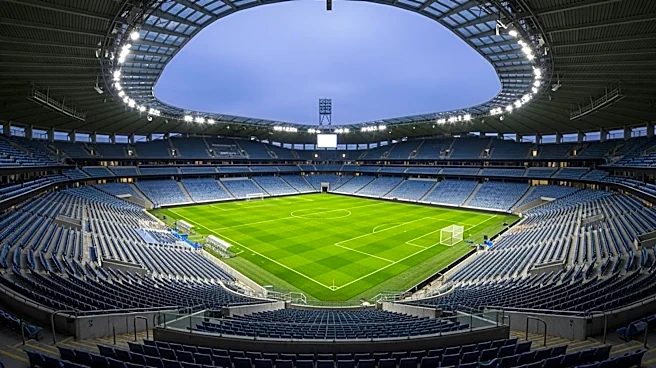

Stade de la Mosson in Montpellier, France, has played a significant role in hosting international sports events, most notably the 1998 FIFA World Cup. Its strategic location and modern facilities have
made it a preferred venue for various global competitions, showcasing its importance in the world of sports.
Hosting the 1998 FIFA World Cup
The 1998 FIFA World Cup was a landmark event for Stade de la Mosson, as it was one of the selected venues for the tournament. The stadium hosted six matches, including a thrilling round of 16 match between Germany and Mexico. This event marked a high point in the stadium's history, as it welcomed fans from around the world and showcased its capacity to host large-scale international events.
To prepare for the World Cup, Stade de la Mosson underwent significant renovations. These included increasing the seating capacity to 35,500, upgrading the press facilities, and enhancing the lighting and sound systems. These improvements ensured that the stadium met the stringent requirements of FIFA and provided an excellent experience for both players and spectators.
Beyond the World Cup: Rugby and More
Stade de la Mosson's role as a host for international events did not end with the World Cup. In 2007, it was one of the venues for the Rugby World Cup, further cementing its status as a versatile sports facility. The stadium hosted several matches, including a memorable game between Australia and Fiji, which attracted a record attendance.
The stadium's ability to accommodate both football and rugby matches highlights its flexibility and the quality of its facilities. It continues to be a venue for various international competitions, drawing sports fans from across the globe to Montpellier.
A Continuing Legacy
Stade de la Mosson's legacy as a hub for international sports events is ongoing. It remains the home ground for the Montpellier Hérault Sport Club and continues to host significant matches in both football and rugby. The stadium's history of hosting international events has contributed to its reputation as a premier sports venue in France.
Despite challenges such as flooding, which have required repairs and updates, Stade de la Mosson continues to thrive as a key player in the international sports scene. Its ability to adapt and maintain high standards ensures that it will remain a vital part of Montpellier's sporting culture for years to come.
Stade de la Mosson's role in hosting international sports events underscores its importance not only to Montpellier but also to the broader sports community. Its history and continued use reflect the dynamic nature of sports venues and their impact on local and international levels.