


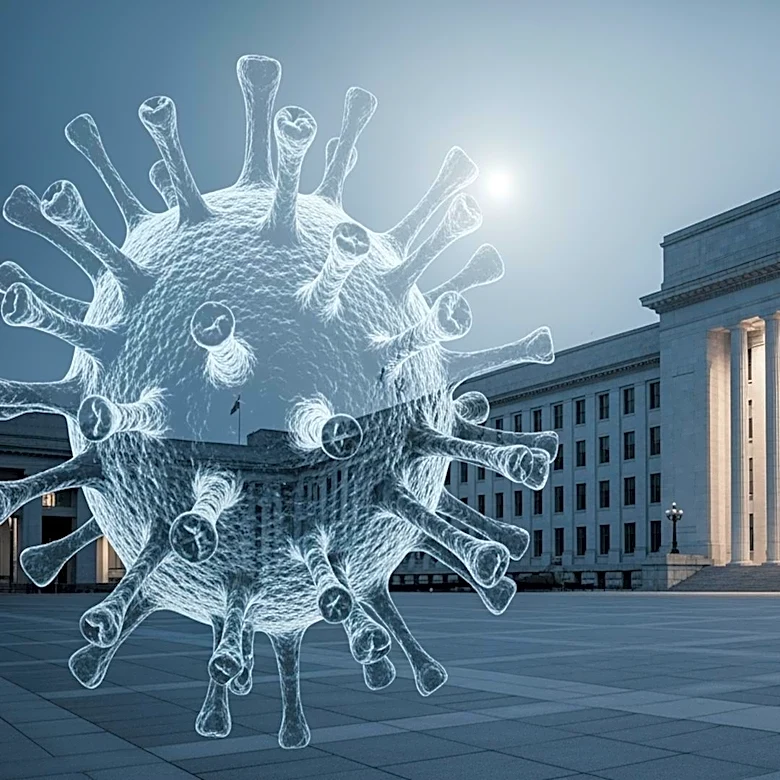

The White House COVID-19 outbreak, which began in September 2020, involved numerous high-profile individuals within the U.S. government. As the virus spread among staff and officials, it highlighted the interconnectedness of those working closely with the president and the challenges of containing the virus in such an environment. This article examines the key figures affected by the outbreak and their roles during the pandemic.
President Donald Trump
As the most prominent
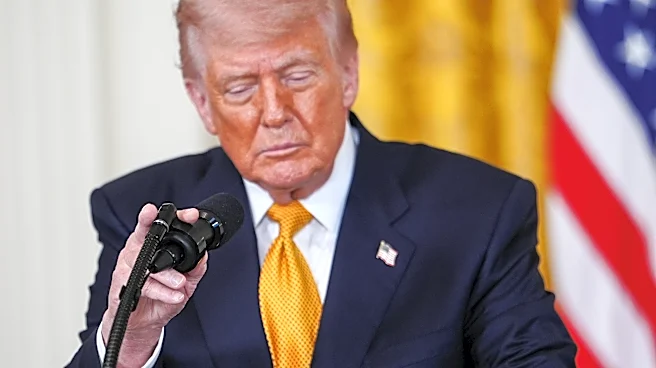
figure affected by the outbreak, President Donald Trump's positive COVID-19 test result was a pivotal moment. His diagnosis came shortly after the Rose Garden ceremony for Amy Coney Barrett's Supreme Court nomination, where many attendees were unmasked. Trump's hospitalization at Walter Reed National Military Medical Center drew significant media attention, and his treatment included experimental therapies such as monoclonal antibodies and remdesivir.
Throughout the pandemic, Trump's messaging often downplayed the severity of the virus, urging Americans not to let it dominate their lives. His approach to the outbreak and the broader pandemic response was met with criticism from public health experts, who argued that stricter adherence to guidelines could have prevented the outbreak.
Hope Hicks and Other Advisors
Hope Hicks, a close advisor to President Trump, was one of the first individuals in his inner circle to test positive for COVID-19. Her diagnosis prompted further testing and quarantine measures for those who had been in close contact with her, including the president. Hicks's case underscored the virus's ability to spread rapidly among those working in close proximity.
Other notable figures affected by the outbreak included White House Press Secretary Kayleigh McEnany, presidential advisor Stephen Miller, and Chief of Staff Mark Meadows. Their diagnoses highlighted the challenges of maintaining a safe working environment within the White House.
Broader Impact on Government Officials
The outbreak extended beyond the White House, affecting several members of Congress and other government officials. Republican Senators Thom Tillis, Mike Lee, and Ron Johnson, as well as former New Jersey Governor Chris Christie, were among those who tested positive. These cases underscored the virus's reach into the highest levels of government and the importance of adhering to public health guidelines.
The White House COVID-19 outbreak served as a stark reminder of the virus's ability to infiltrate even the most secure environments. It highlighted the interconnectedness of government officials and the challenges of containing the virus in such a setting. As the pandemic continued, the outbreak's impact on key figures remained a significant aspect of the broader narrative, shaping public perception and influencing policy decisions.