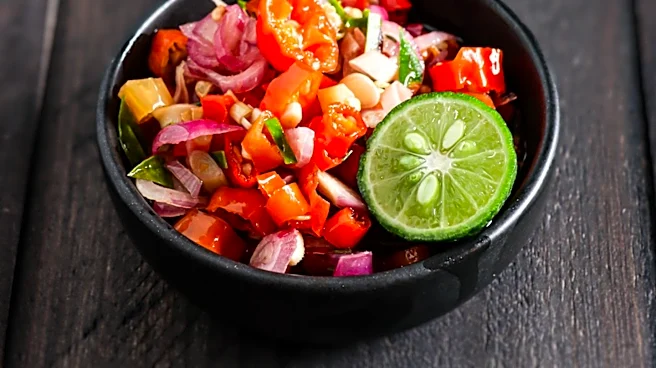












Salsa, a staple in Mexican cuisine, is a versatile condiment that adds flavor and spice to a variety of dishes. Known for its vibrant colors and bold flavors, salsa has become a beloved addition to meals around the world. This article explores the culinary aspects of salsa, its cultural significance, and its role in Mexican cuisine.
The Essence of Salsa
In Mexican cuisine, salsa refers to a variety of sauces used as condiments for tacos, enchiladas, and other dishes. The
word "salsa" means sauce in Spanish, and in English, it specifically refers to Mexican table sauces, such as the chunky tomato-and-chili-based pico de gallo and the tangy salsa verde. These sauces can be raw or cooked and are generally served at room temperature.
Salsa is an essential component of Mexican meals, much like salt, pepper, and mustard in other cuisines. It is often used as a dip for tortilla chips, a topping for tacos, or an ingredient in soups and stews. The versatility of salsa allows it to complement a wide range of dishes, enhancing their flavors and adding a touch of spice.
Types of Salsa
There are several types of salsa, each with its unique flavor profile and ingredients. Salsa fresca, also known as pico de gallo, is a fresh salsa made with tomatoes and hot peppers. Salsa verde, made with cooked tomatillos, is a popular choice for chilaquiles and enchiladas. Chiltomate, a base sauce made of tomatoes and chiles, varies by region, with different types of peppers used to create distinct flavors.
In addition to traditional tomato-based salsas, there are also fruit-based salsas that combine fruits like mango and pineapple with peppers for a sweet and spicy flavor. These salsas are often served with desserts or as a condiment for grilled meats and seafood.
Cultural Significance and Global Popularity
Salsa's popularity extends beyond Mexico, with Mexican restaurants in the United States playing a significant role in popularizing it as a table dip. In the 1980s, tomato-based Mexican-style salsas gained popularity, and by 1992, salsa sales in the United States exceeded those of tomato ketchup.
The cultural significance of salsa lies in its ability to bring people together through food. It represents the rich culinary heritage of Mexico and serves as a symbol of Mexican culture and identity. As salsa continues to gain popularity worldwide, it remains a testament to the enduring appeal of Mexican cuisine and its vibrant flavors.