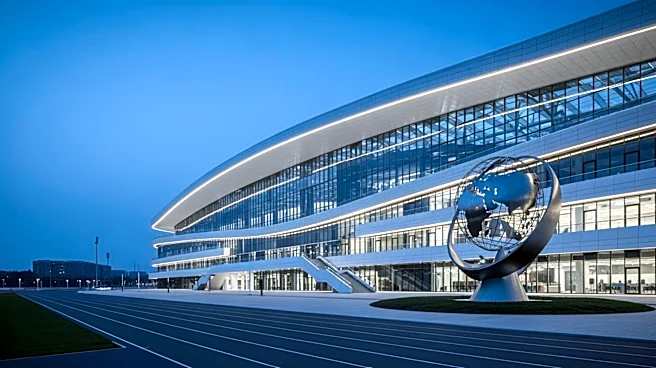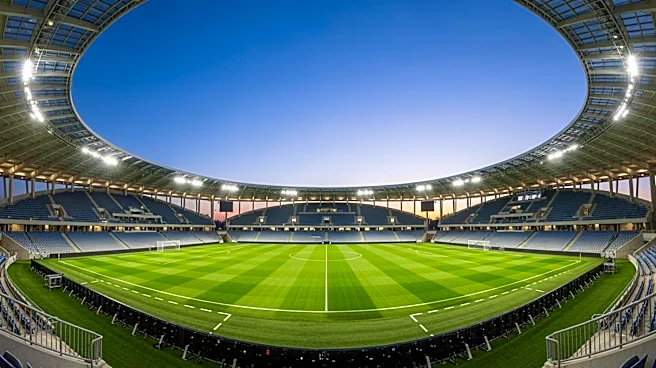


Khalifa International Stadium, located in Al Rayyan, Qatar, has undergone significant transformations since its opening in 1976. Originally built to host the 4th Arabian Gulf Cup, the stadium has evolved into a modern sports venue, reflecting Qatar's growing prominence in international sports. This article explores the stadium's development, highlighting key renovations and its role in major sporting events.
Early Years and Initial Construction
Khalifa International Stadium was inaugurated
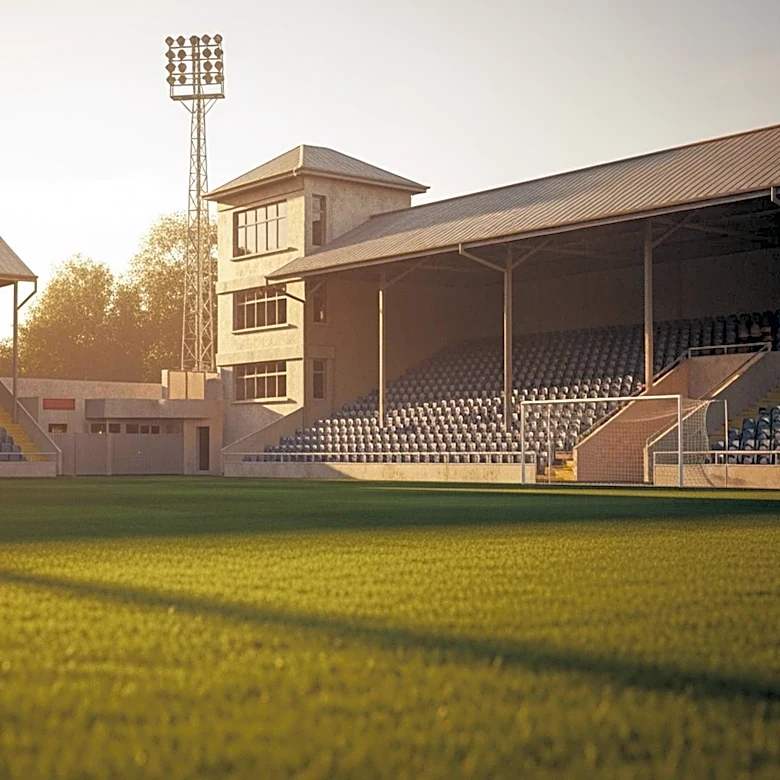
in 1976, named after the then Emir of Qatar, Khalifa bin Hamad Al Thani. The stadium was initially designed with a symmetrical bowl and a basic roof covering the western stand's upper seats. It quickly became a central hub for sports in Qatar, hosting all 22 games of the 4th Arabian Gulf Cup, which Kuwait won. Sixteen years later, the stadium hosted the 11th Arabian Gulf Cup, marking Qatar's first victory in the tournament.
The stadium's early years set the stage for its future as a premier sports venue. Its strategic location, just 9 kilometers west of Doha, made it accessible and convenient for both local and international events. The initial design, while basic, provided a solid foundation for future expansions and renovations.
Major Renovations and Expansions
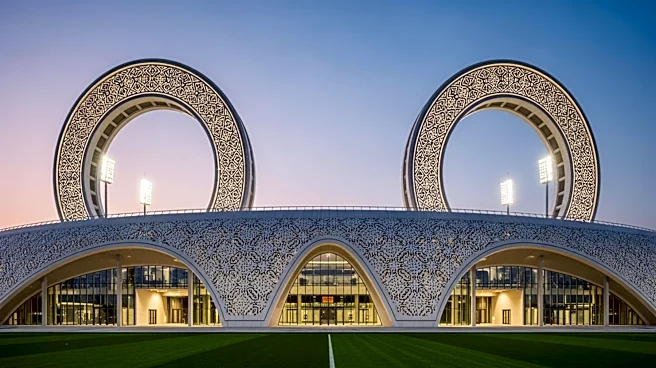
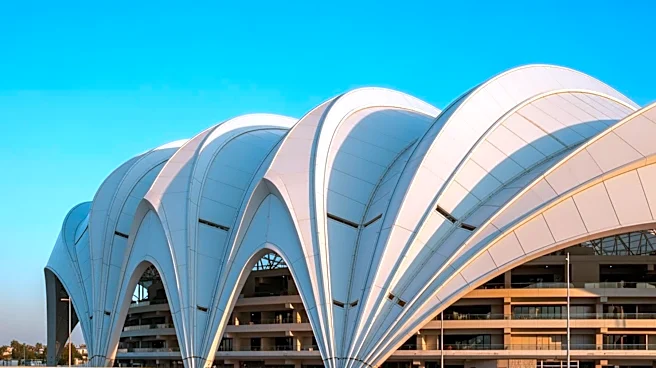
In preparation for the 2006 Asian Games, Khalifa International Stadium underwent a significant renovation. The western stand was completely remodeled, transforming it into a grandstand with a second tier and a new roof covering all seats. A large arch with additional light fixtures was added to the eastern side, serving as a platform for fireworks during the games' opening ceremony.
The 2005 renovation was part of the larger Doha Sports City project, later known as the Aspire Zone complex. This development included the Aspire Academy, Hamad Aquatic Centre, and Aspire Tower, further cementing the stadium's status as a key component of Qatar's sports infrastructure. The stadium's capacity was increased from 20,000 to 40,000, allowing it to host larger events and accommodate more spectators.
Recent Developments and Sustainability
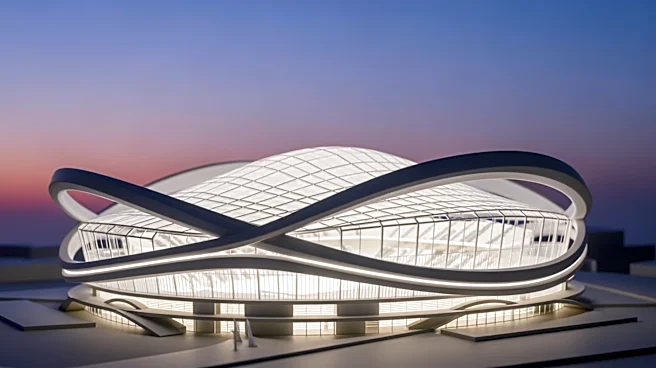
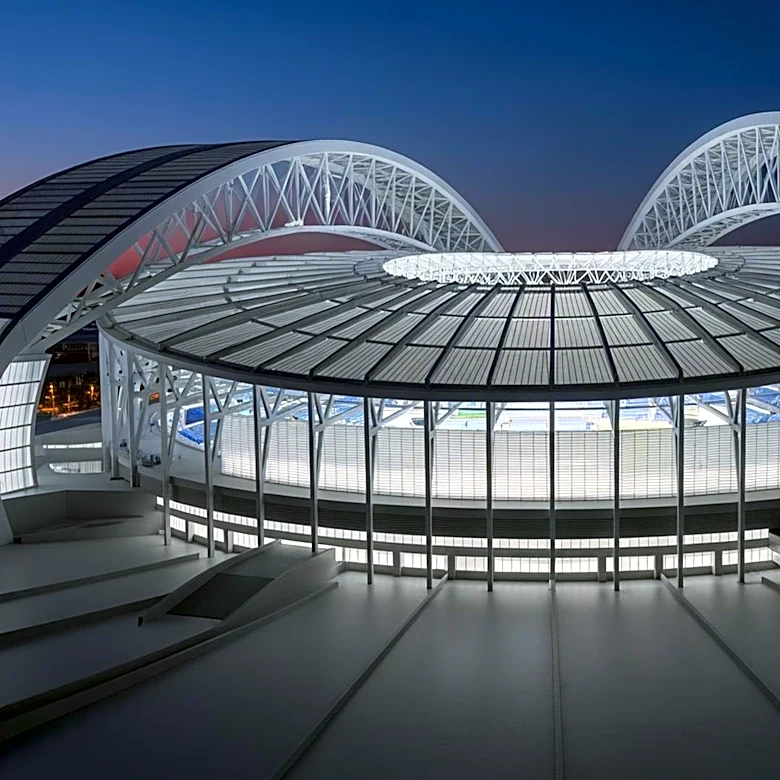
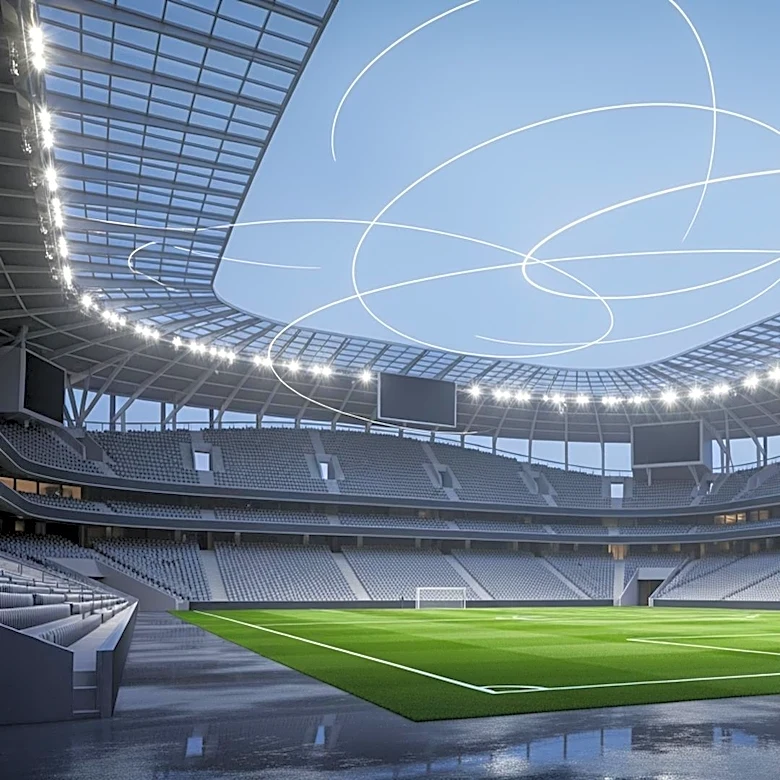
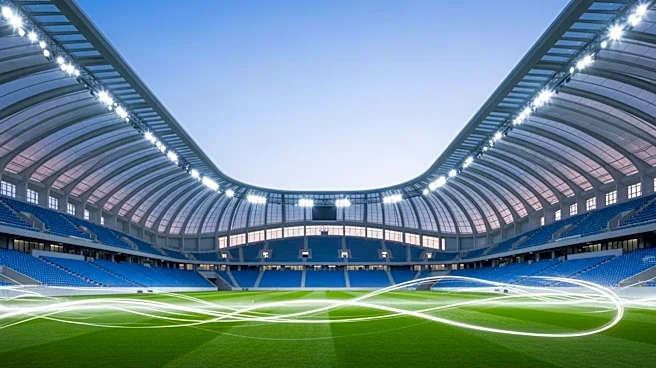
Following Qatar's successful bid to host the 2022 FIFA World Cup, Khalifa International Stadium underwent another major renovation. The international architecture firm Dar Al-Handasah redesigned the stadium, boosting its capacity to 45,857 with a new tier on the eastern stand and a roof covering the entire stadium. This renovation also introduced advanced cooling technology and LED pitch lights, enhancing the stadium's sustainability and fan experience.
In 2017, the stadium became the first to receive a four-star rating from the FIFA-endorsed Global Sustainability Assessment System. This recognition highlighted Qatar's commitment to sustainable development and innovation in sports infrastructure. Khalifa International Stadium's evolution reflects Qatar's ambition to be a leader in global sports, providing a world-class venue for events like the 2019 World Athletics Championships and the 2022 FIFA World Cup.