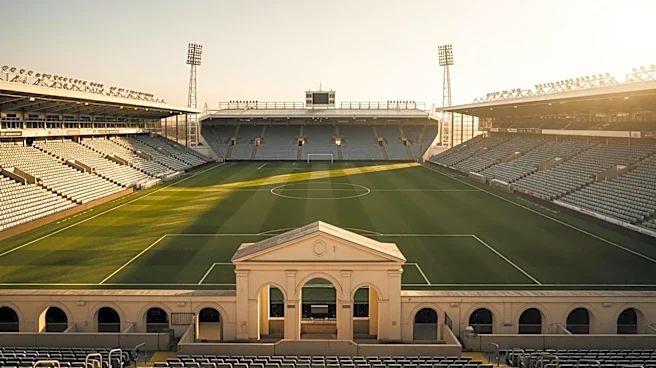










Mestalla Stadium, located in Valencia, Spain, is one of the most iconic football stadiums in the country. With a rich history dating back to its opening in 1923, Mestalla has been the home of Valencia CF and a venue for numerous significant events, including the 1982 FIFA World Cup. This article provides a historical overview of Mestalla Stadium, highlighting its development and key moments.
Early Years and Development
Mestalla Stadium was inaugurated on May 20, 1923, with a friendly
match between Valencia CF and Levante. Initially, the stadium had a capacity of 17,000 spectators, which was increased to 25,000 just four years later. The stadium's name, Mestalla, originates from a historic irrigation canal that was once located near the site.
During the Spanish Civil War, Mestalla was repurposed as a concentration camp and storage warehouse, suffering significant damage. However, the stadium was rebuilt and expanded in the 1950s, increasing its capacity to 60,000 spectators. This renovation included the addition of artificial lighting, which was inaugurated during the 1959 Fallas festivities.
Major Events and Renovations
Mestalla Stadium has hosted numerous significant events throughout its history. In addition to being the home of Valencia CF, it has been the venue for ten Copa del Rey finals and five matches of the Spanish Olympic Team during the 1992 Olympic Games. The stadium's steep stands and close proximity to the pitch have made it a favorite among fans and players alike.
One of the most notable events in Mestalla's history was its role as a venue for the 1982 FIFA World Cup. Known as Luis Casanova Stadium at the time, it hosted several key matches, including Spain's group stage games. The stadium's involvement in the World Cup elevated its status on the international stage and showcased its ability to host major events.
The Future of Mestalla
Despite its storied past, Mestalla Stadium is set to be replaced by a new venue, Nou Mestalla. Construction of the new stadium began in 2007 but has faced delays due to financial issues. The new stadium is expected to have a capacity of 61,500 and is projected to be completed by the 2027-28 season.
As the oldest stadium in La Liga since January 2020, Mestalla holds a special place in the hearts of football fans. Its rich history and role in major events have cemented its legacy as one of Spain's most iconic stadiums. While the future may see a new stadium take its place, Mestalla's impact on football history will not be forgotten.