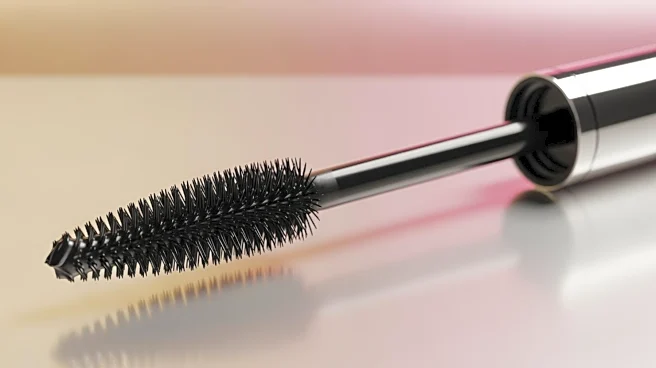

Mascara has played a significant role in shaping beauty standards and popular culture throughout history. This article explores how mascara has influenced perceptions of beauty and its presence in media
and fashion. By understanding its impact, we can appreciate mascara's enduring significance in the world of cosmetics.
Mascara in Media and Fashion
The invention of photography and motion pictures propelled mascara's popularity, setting new beauty standards. Actresses of the classic cinema era, such as Greta Garbo and Bette Davis, relied heavily on mascara for their glamorous appearances. These stars became icons of beauty, inspiring women worldwide to emulate their looks.
Mascara's influence extended beyond the silver screen, as it became a staple in fashion magazines and advertisements. The product was marketed as essential for achieving the ideal feminine appearance, with long, dark lashes symbolizing allure and sophistication. Mascara's presence in media helped solidify its status as a must-have cosmetic, shaping beauty trends for decades.
Changing Beauty Standards
Mascara has contributed to evolving beauty standards by emphasizing the importance of defined, expressive eyes. The product's ability to enhance lashes has made it a key component in achieving the desired look. As beauty ideals shifted, mascara adapted to meet new demands, offering various formulations to cater to different preferences.
The introduction of waterproof mascara and lash-boosting serums reflects changing consumer needs and expectations. Mascara's versatility allows it to complement diverse makeup styles, from natural looks to dramatic effects. Its role in defining beauty standards highlights the product's adaptability and enduring appeal.
Mascara in Popular Culture
Mascara's impact on popular culture is evident in its association with iconic figures and fashion movements. The product has been featured in songs, movies, and television shows, often symbolizing femininity and glamour. Mascara's presence in pop culture reinforces its significance as a beauty staple.
The rivalry between beauty industry giants like Helena Rubinstein and Elizabeth Arden further illustrates mascara's cultural impact. Their efforts to innovate and market mascara contributed to its widespread acceptance and popularity. As a result, mascara became a symbol of beauty and empowerment, influencing generations of consumers.
Mascara's influence on beauty standards and popular culture underscores its importance in the world of cosmetics. By enhancing lashes and defining eyes, mascara has shaped perceptions of beauty and inspired countless individuals to express themselves through makeup. Its enduring presence in media and fashion attests to its significance as a cultural icon.