


Hair gel is more than just a styling product; it's a marvel of chemistry that allows for the creation of various hairstyles. At the heart of its effectiveness are cationic polymers, which play a crucial role in how hair gel works. This article delves into the science behind hair gel, focusing on the role of cationic polymers and their interaction with hair.
Understanding Cationic Polymers
Cationic polymers are the main functional components of hair gel, responsible for its ability
to hold hair in place. These polymers carry positive charges, which cause them to stretch and increase the gel's viscosity. This stretching is essential because it allows the gel to resist the natural protein conformations of hair, enabling it to be styled and textured.
The positive charges of the cationic polymers also bind to the negatively charged amino acids on the surface of keratin molecules in the hair. This binding is what allows the gel to adhere to the hair, providing the necessary hold to maintain a hairstyle. The stretched-out polymer takes up more space than a coiled polymer, resisting the flow of solvent molecules around it, which further contributes to the gel's effectiveness.
The Role of Viscosity in Hair Gel
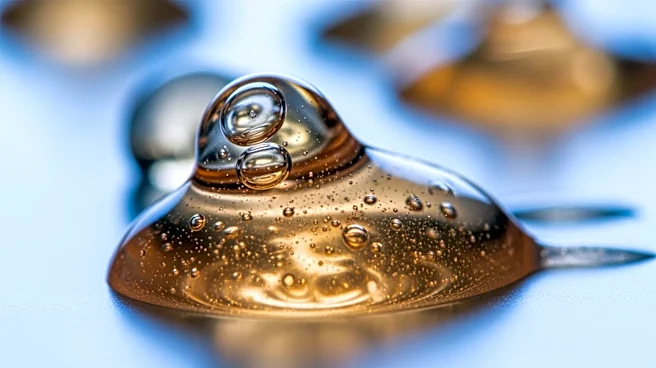
Viscosity is a critical property of hair gel, influenced by the presence of cationic polymers. The increased viscosity due to the stretching of these polymers is what gives hair gel its unique texture and ability to hold hair in place. A more viscous gel can provide a stronger hold, which is why many hair gels are available in different strengths, often indicated by numbers on the packaging.
Higher numbered gels offer a firmer hold, making them suitable for more structured hairstyles, while lower numbered gels provide a softer hold, often giving hair a wet look. This versatility allows consumers to choose a product that best suits their styling needs, whether they want a sleek, polished look or a more casual, tousled style.
Innovations and Variations
The science of hair gel continues to evolve, with new formulations and innovations emerging regularly. Some hair gels now include additional features, such as temporary hair coloring, which appeals to various subcultures and fashion trends. These gels often come in unnatural colors, allowing users to express their individuality and creativity through their hairstyles.
Overall, the science behind hair gel is a fascinating blend of chemistry and artistry, enabling people to achieve a wide range of looks and styles. Understanding the role of cationic polymers and viscosity helps us appreciate the complexity and effectiveness of this everyday product.