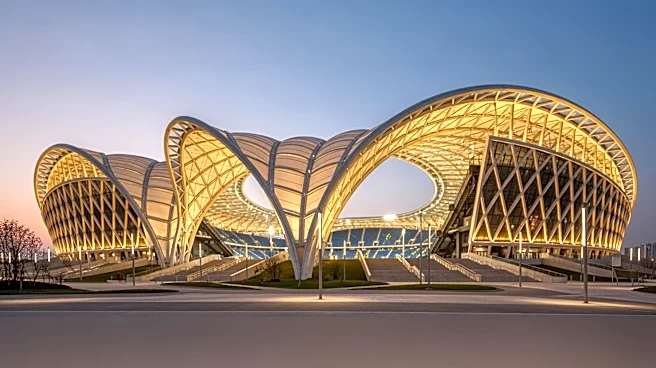






Mbombela Stadium, located in South Africa, is not just a venue for sports but an architectural marvel that stands out for its unique design and construction. Built for the 2010 FIFA World Cup, the stadium is a testament to modern engineering and design, with features that make it both functional and visually striking. This article delves into the architectural aspects that make Mbombela Stadium a standout structure.
Innovative Design Elements
One of the most distinctive features
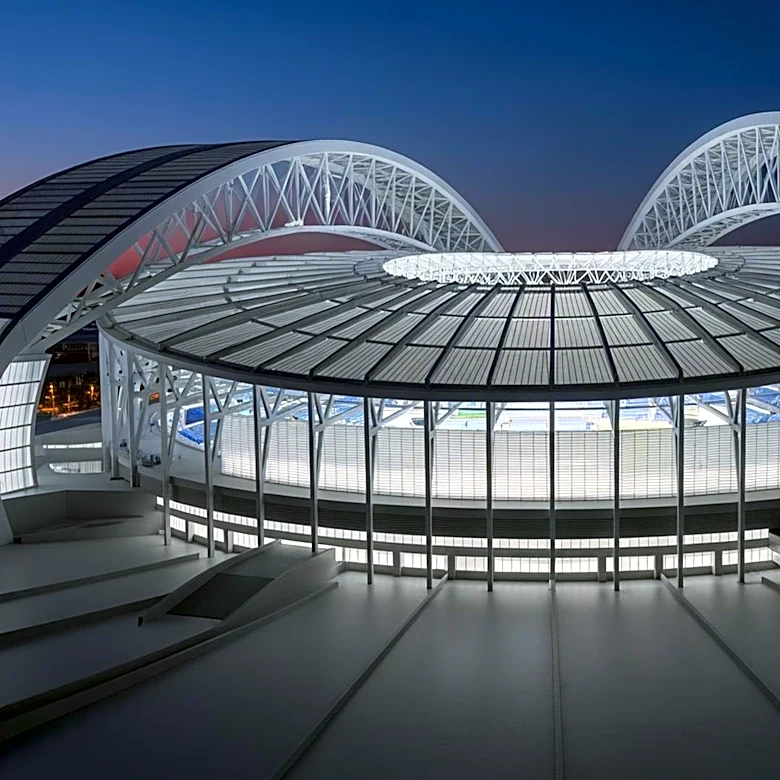
of Mbombela Stadium is its roof, supported by 18 pylons designed to resemble giraffes. This design choice not only adds a unique aesthetic appeal but also reflects the local wildlife, creating a connection between the stadium and its surroundings. The roof itself is a structural feat, covering 95% of the seating area and allowing natural light to filter through, thanks to its partially transparent design.
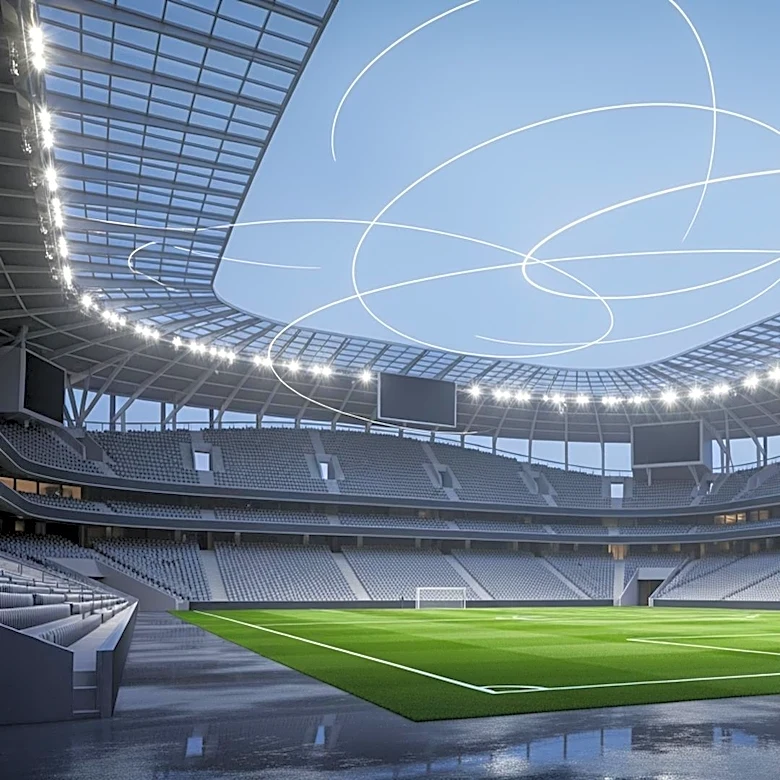
The seating arrangement is another highlight of the stadium's design. With a capacity of 43,500, the seats are distributed across three tiers, ensuring that every spectator has an unobstructed view of the field. The lower tier accommodates 21,000 seats, the middle tier 3,500, and the upper tier 19,000. This thoughtful design ensures that the stadium can host large crowds while maintaining comfort and visibility for all attendees.
Construction Challenges and Solutions
The construction of Mbombela Stadium began in February 2007 and was completed in November 2009. The project was undertaken by a South African-French consortium, Basil Read Construction and Bouygues, which faced several challenges during the build. The stadium is built on 1,500 piles, with each giraffe-shaped pylon resting on 18 piles, ensuring stability and durability.
The construction process also involved the use of advanced engineering techniques to manage the weight and distribution of the roof. The roof's design required careful planning to ensure it could withstand the elements while providing ample coverage for spectators. The use of concrete ballast on the pylons was a strategic decision to minimize sway and ensure the structure's integrity during strong winds.
A Venue for the Future
Beyond its architectural features, Mbombela Stadium is designed to be a versatile venue, capable of hosting both football and rugby matches. It serves as the home ground for the Pumas rugby team and has hosted international rugby test matches, showcasing its adaptability for different sports.
The stadium's design also includes facilities for VIPs, with a middle tier that houses a VIP lounge, restaurant, club lounges, and 25 private suites. These amenities enhance the experience for spectators and make the stadium a desirable location for high-profile events.
In conclusion, Mbombela Stadium is more than just a sports venue; it is a symbol of modern architectural innovation and a hub for sporting excellence. Its unique design elements and construction techniques make it a landmark in South Africa, reflecting both the country's cultural heritage and its commitment to hosting world-class events.