






High fantasy, or epic fantasy, is a subgenre of fantasy literature that captivates readers with its grand narratives and richly imagined worlds. Defined by its epic nature, high fantasy is set in alternative, fictional worlds, often referred to as "secondary" worlds. These worlds are internally consistent but operate under different rules than our own. This article explores the defining characteristics of high fantasy, highlighting the elements and themes
that set it apart from other fantasy subgenres.
Epic Settings and Characters
One of the most distinguishing features of high fantasy is its setting in a secondary world. Unlike low fantasy, which is set in the real world with magical elements, high fantasy transports readers to entirely new realms. These worlds are often quasi-medieval, drawing inspiration from various mythological and legendary traditions. The creation of these detailed and immersive worlds is a hallmark of high fantasy, allowing readers to escape into a realm of imagination and wonder.
In addition to its epic settings, high fantasy is characterized by the stature of its characters. Many high fantasy stories revolve around a central hero, often portrayed as an orphan or an unusual sibling with extraordinary talents. These heroes typically embark on a journey of self-discovery, facing world-threatening challenges and growing in strength and wisdom. The characters in high fantasy are often larger-than-life figures, embodying the epic nature of the genre.
Themes of Good Versus Evil
High fantasy is often defined by its exploration of themes such as good versus evil. This conflict is a central element in many high fantasy narratives, with the forces of good and evil clashing in epic battles. The portrayal of evil in high fantasy is often absolute, with villains depicted as completely malevolent and unrelatable. This clear delineation between good and evil allows high fantasy to address deep moral and philosophical questions, making it a genre that resonates with readers on a profound level.
The importance of the good versus evil theme is a distinguishing mark of high fantasy, setting it apart from other subgenres like sword and sorcery. In high fantasy, the conflict often involves a power struggle, with characters navigating complex moral landscapes and facing difficult choices. This exploration of moral issues adds depth and complexity to high fantasy narratives, engaging readers in a meaningful way.
The Role of Magic and Mythology
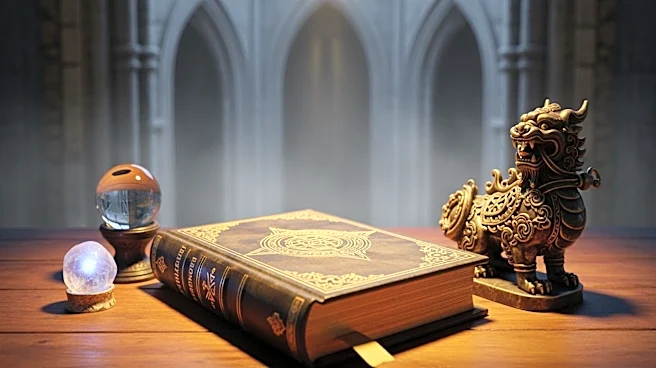
Magic and mythology play a significant role in high fantasy, adding an element of wonder and enchantment to the genre. High fantasy often features supernatural sorcery and imaginary beings, such as dragons, which contribute to the epic nature of the stories. These elements are frequently inspired by various mythological and legendary traditions, enriching the narratives with cultural and historical depth.
The use of magic in high fantasy is not just a plot device but a fundamental aspect of the world-building process. It shapes the rules and dynamics of the secondary world, influencing the characters' actions and the unfolding of the narrative. By incorporating magic and mythology, high fantasy creates a sense of awe and mystery, drawing readers into a world where anything is possible.