






The slow cooker, a beloved kitchen appliance, has a rich history that dates back to the early 20th century. Known for its ability to simmer food at low temperatures over extended periods, the slow cooker has become a staple in many households. This article delves into the fascinating journey of the slow cooker, from its invention by Irving Naxon to its widespread popularity today.
The Birth of the Slow Cooker
The story of the slow cooker begins with Irving Naxon, an American inventor
who was inspired by a family tradition. Naxon's mother shared tales of how her mother in Lithuania would prepare a traditional Jewish stew called cholent. This dish required slow cooking in the residual heat of a bakery oven, a method that intrigued Naxon. In 1936, he applied for a patent for a device that could replicate this slow cooking process. By 1940, he had received the patent for what would become the slow cooker.
Naxon's invention, initially called the Naxon Beanery All-Purpose Cooker, was designed to cook beans slowly and evenly. The device gained attention for its ability to prepare meals without constant supervision, a feature that appealed to many, especially as more women began working outside the home during the 1940s.
The Rise of the Crock-Pot
In 1970, the Rival Company acquired Naxon's patent and rebranded the device as the Crock-Pot. This marked a significant turning point in the slow cooker's history. The Crock-Pot was marketed as a convenient solution for busy families, allowing meals to be prepared in the morning and ready by dinner time. The introduction of removable stoneware inserts in 1974 further enhanced its appeal by making the appliance easier to clean.
The Crock-Pot's success spurred other companies to develop their versions of the slow cooker. Brands like Cuisinart, Hamilton Beach, and KitchenAid entered the market, each offering unique features and designs. Despite the competition, the Crock-Pot remained a household name, synonymous with slow cooking.
Modern Innovations and Continued Popularity
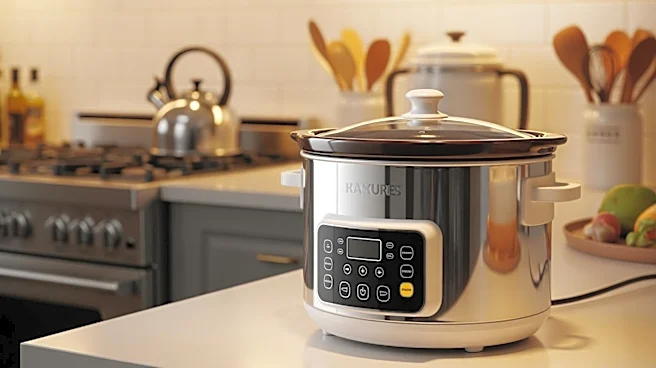
Today, slow cookers have evolved to include advanced features such as digital timers, precise temperature controls, and even smartphone connectivity. These innovations have made slow cookers more versatile and user-friendly, catering to the needs of modern cooks.
The slow cooker's ability to tenderize tough cuts of meat and infuse flavors over time continues to make it a favorite for preparing stews, soups, and roasts. Its energy efficiency and safety compared to traditional ovens also contribute to its enduring popularity.
As the slow cooker continues to adapt to changing culinary trends and technologies, its legacy as a revolutionary kitchen appliance remains strong. From its humble beginnings as a bean cooker to its status as a modern kitchen essential, the slow cooker's journey is a testament to the enduring appeal of slow, flavorful cooking.