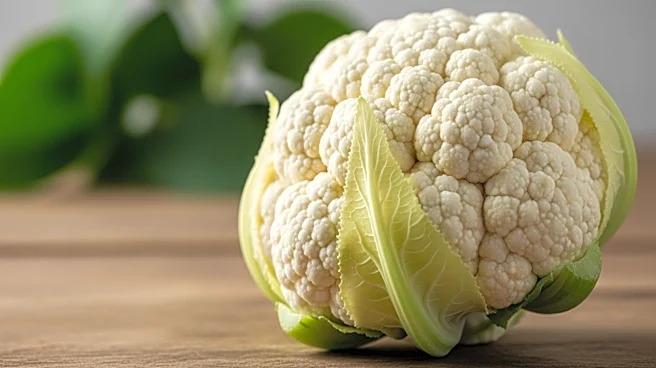

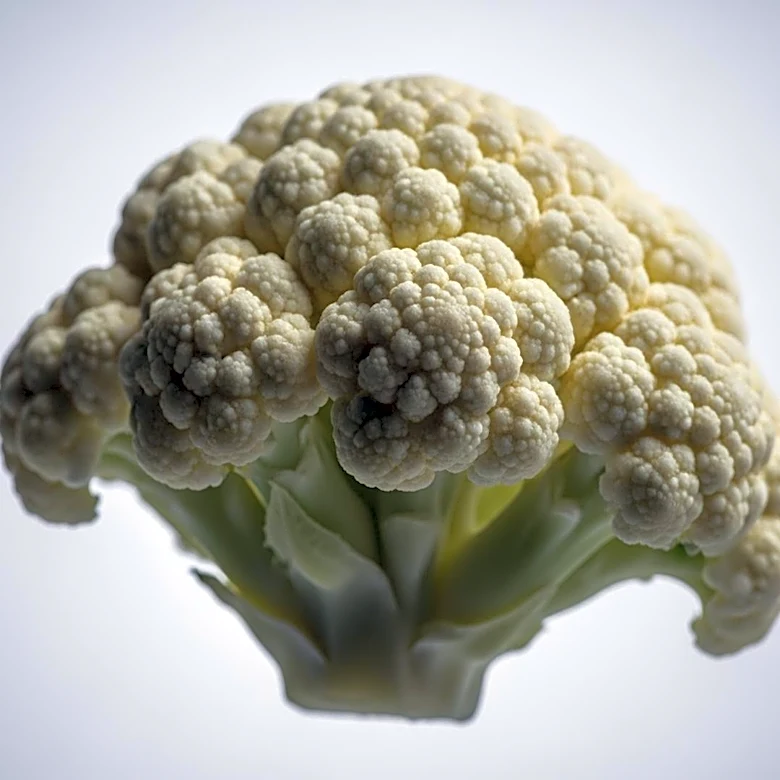





Cauliflower, a member of the Brassica oleracea species, is not only a versatile vegetable in the kitchen but also a nutritional powerhouse. Known for its dense, white flower head, cauliflower offers a range of health benefits and can be prepared in various ways to suit different culinary preferences. This article explores the nutritional profile of cauliflower and its diverse culinary applications.
Nutritional Profile
Cauliflower is a low-calorie vegetable that is rich
in essential nutrients. Raw cauliflower is composed of 92% water, 5% carbohydrates, and 2% protein, with negligible fat content. In a 100-gram serving, it provides only 25 calories, making it an excellent choice for those looking to maintain a healthy diet.
One of the standout nutrients in cauliflower is vitamin C, with a single serving providing 54% of the daily value. It also contains moderate levels of several B vitamins, vitamin K, and potassium. These nutrients play vital roles in maintaining overall health, supporting immune function, and promoting bone health.
Culinary Versatility
Cauliflower's mild flavor and firm texture make it a versatile ingredient in the kitchen. It can be eaten raw, steamed, roasted, or incorporated into various dishes. The outer leaves and thick stalks are typically removed, leaving the florets, which are the edible part of the plant.
In recent years, cauliflower has gained popularity as a low-calorie, gluten-free alternative to traditional grains and starches. Cauliflower rice, made by pulsing florets and cooking them in oil, is a popular substitute for rice. Similarly, cauliflower pizza crust and mashed cauliflower offer low-carbohydrate alternatives to their traditional counterparts.
Cooking Methods and Nutrient Retention
The way cauliflower is prepared can impact its nutritional content. Boiling cauliflower can reduce the levels of glucosinolates, compounds that are under preliminary research for their potential health benefits. However, other cooking methods such as steaming, microwaving, and stir-frying do not significantly affect these compounds, allowing for nutrient retention.
Cauliflower's adaptability to different cooking methods makes it a favorite among chefs and home cooks alike. Whether roasted to bring out its natural sweetness or blended into a creamy soup, cauliflower can be transformed into a variety of delicious dishes.
In conclusion, cauliflower is a nutritious and versatile vegetable that can be enjoyed in numerous ways. Its health benefits and culinary flexibility make it a valuable addition to any diet, offering both flavor and nutrition in every bite.