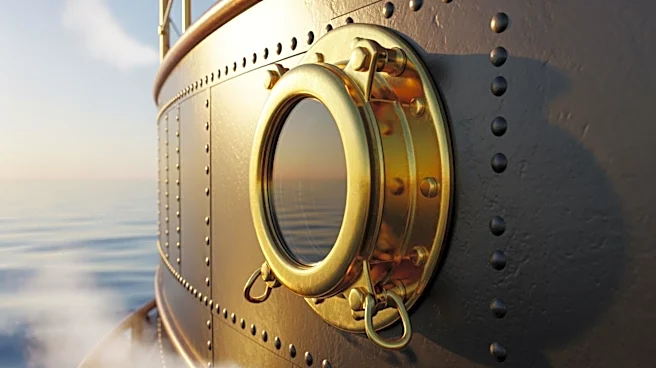

The SS Sirius, launched in 1837, was a remarkable example of early steamship engineering. Built by Robert Menzies & Sons in Leith, Scotland, the Sirius was designed to operate on the London-Cork route
for the Saint George Steam Packet Company. Its construction and design reflected the innovative spirit of the era, showcasing the potential of steam power in maritime travel. The Sirius's successful transatlantic crossing in 1838 further cemented its place in history as a technological marvel.
Innovative Design and Construction
The SS Sirius was a wooden-hulled steamship equipped with a two-cylinder steam engine built by Wingate & Co. This engine powered the ship's paddle wheels, allowing it to achieve a maximum speed of 12 knots. The Sirius's engine produced 500 horsepower, a significant amount for its time, enabling it to maintain a steady pace across the Atlantic.
One of the key features of the Sirius was its condenser, which allowed the ship to reuse freshwater, reducing the need to stop and clean its boilers at sea. This innovation was crucial for long voyages, as it minimized downtime and improved efficiency. However, the condenser also contributed to the ship's high coal consumption, a challenge that the crew had to manage carefully during the transatlantic crossing.
Challenges of Coal Consumption
The SS Sirius's journey across the Atlantic highlighted the challenges of coal consumption for steamships of its era. The ship could carry up to 450 long tons of coal, enough to travel 2,897 nautical miles at an average speed of 6.7 knots. Despite this capacity, the Sirius's crew had to be resourceful in managing their fuel supply during the voyage.
As the ship neared New York, reports suggested that the crew resorted to burning cabin furniture and spare masts to conserve coal. However, the reality was that they burned four barrels of resin, and still had 15 tons of coal left upon arrival. This resourcefulness ensured the Sirius completed its journey successfully, demonstrating the importance of fuel management in early steamship travel.
Impact on Future Steamship Design
The SS Sirius's successful transatlantic crossing had a lasting impact on steamship design and engineering. Its journey proved the feasibility of steam-powered ocean travel, inspiring further advancements in shipbuilding technology. The Sirius's design influenced future steamships, leading to the development of larger and more efficient vessels capable of regular transatlantic service.
The legacy of the SS Sirius as a technological marvel of its time is a testament to the ingenuity and determination of early steamship engineers. Its pioneering journey across the Atlantic paved the way for the steamships that followed, transforming maritime travel and connecting continents in ways previously unimaginable.